English
  Español
  العربية
  русский
  ไทย
ไทย 
×
Prefabricated steel structures are transforming modern construction by reducing project timelines, improving quality control, and increasing design flexibility. Compared with traditional construction methods, a Steel Structure system manufactured through prefabrication allows components to be produced in controlled factory environments and assembled efficiently on-site, helping builders complete projects faster with fewer risks.
As construction projects demand shorter schedules, higher performance, and greater cost efficiency, prefabricated solutions have become a strategic choice for industrial buildings, warehouses, commercial facilities, and large-scale infrastructure. With advanced manufacturing capabilities and customized solutions, HEADSTREAM helps global customers achieve faster, safer, and more reliable construction results through high-quality steel structure systems.
The construction industry is moving toward smarter and more efficient building methods. Prefabricated Steel Structure solutions address many challenges faced by traditional construction, including labor shortages, unpredictable weather delays, material waste, and long project cycles.
Unlike conventional construction, where most processes take place directly at the job site, prefabricated steel buildings shift a significant portion of manufacturing work to a controlled factory environment. Steel beams, columns, frames, and other components are precisely fabricated according to engineering drawings before transportation and installation.
This approach enables:
Faster project completion
More consistent construction quality
Reduced on-site labor requirements
Better material utilization
Easier project management
For developers and contractors, prefabrication is not only a construction method but also a way to improve overall project efficiency.
The biggest advantage of prefabricated Steel Structure systems is the ability to shorten construction schedules.
Traditional buildings often require multiple sequential steps, such as formwork installation, concrete pouring, curing, and structural preparation. These processes can significantly extend project timelines.
Prefabricated steel construction allows multiple activities to happen simultaneously:
Steel components are manufactured in factories
Foundation work can proceed at the construction site
Finished components are delivered for immediate assembly
Once delivered, steel structures can be installed quickly using professional connection methods. This reduces idle time and allows projects to move from design to operation much faster.
For industrial facilities and commercial buildings, faster construction means earlier production, reduced investment pressure, and improved business returns.
Efficiency in Steel Structure construction comes from precision engineering, prefabrication technology, and simplified installation processes.
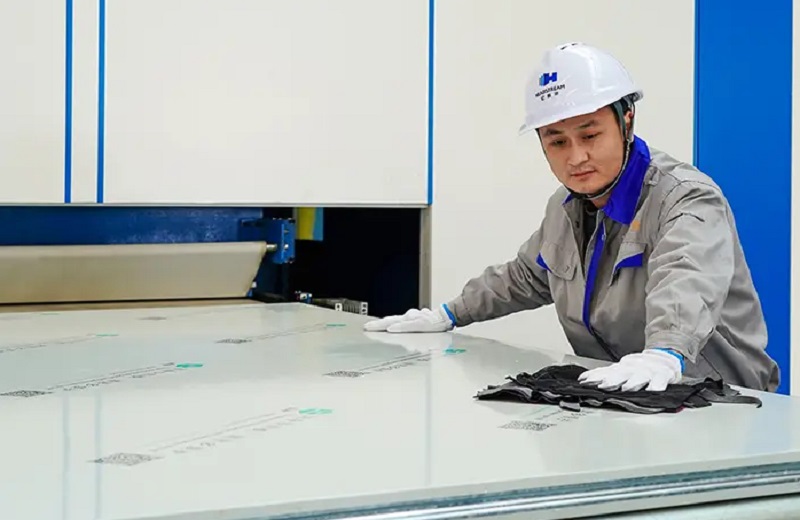
Factory production provides better control over:
Raw material quality
Component dimensions
Welding accuracy
Surface protection
Quality inspections
Compared with traditional on-site construction, factory fabrication reduces variations caused by weather, labor conditions, and site limitations.
Because steel components are pre-engineered and manufactured in advance, installation becomes a highly organized process.
Construction teams can focus on assembly rather than extensive fabrication work, resulting in:
Shorter construction periods
Lower labor costs
Improved safety management
More predictable project schedules
HEADSTREAM applies professional manufacturing processes to deliver prefabricated steel solutions that meet different building requirements while maintaining structural reliability.
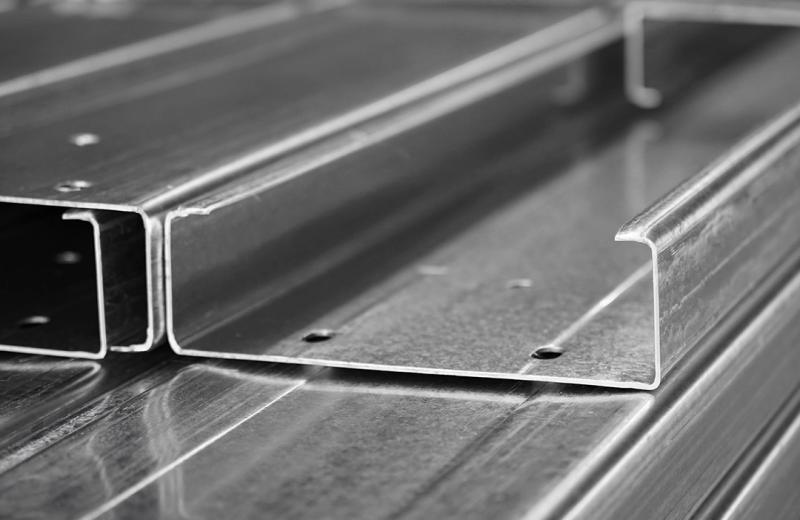
Yes. A properly engineered Steel Structure provides excellent strength, durability, and long-term performance for various applications.
Steel offers a high strength-to-weight ratio, allowing buildings to achieve large spans while reducing unnecessary structural weight. This makes steel particularly suitable for projects requiring open interior spaces, such as factories, warehouses, logistics centers, and industrial workshops.
Key performance advantages include:
High load-bearing capacity
Excellent structural stability
Resistance to environmental challenges with proper protection
Long service life with appropriate maintenance
Modern steel structures also incorporate advanced coating technologies and engineering solutions to improve corrosion resistance and durability in different climates.
Prefabricated steel construction has become widely used across multiple industries due to its flexibility and scalability.
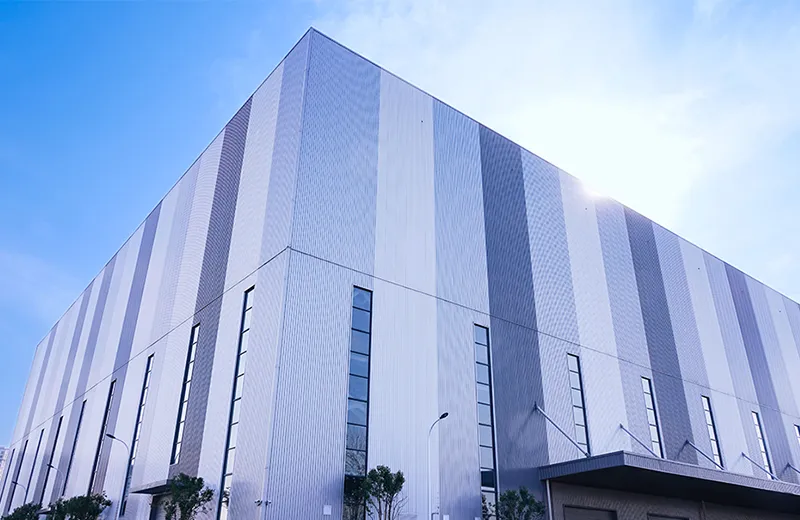
Industrial applications often require large spaces, heavy equipment support, and efficient construction schedules. Steel structures are commonly used for:
Manufacturing plants
Production workshops
Industrial warehouses
Equipment buildings
The column-free design possibilities of steel systems help maximize usable space and improve operational efficiency.
The rapid growth of e-commerce and global logistics has increased demand for efficient warehouse construction.
Prefabricated steel warehouses offer:
Quick installation
Flexible layouts
Easy future expansion
High space utilization
Steel structures are also suitable for:
Exhibition halls
Sports facilities
Commercial buildings
Large public spaces
Their flexibility allows architects and engineers to create innovative designs while maintaining structural performance.
Although construction costs depend on project specifications, prefabricated Steel Structure systems can provide significant economic advantages throughout the project lifecycle.
Since many processes are completed in factories, fewer workers are needed on-site, reducing labor expenses and improving productivity.
Precision manufacturing allows materials to be accurately cut and processed, minimizing unnecessary waste compared with traditional construction methods.
Shorter construction periods allow businesses to begin operations earlier, helping owners generate revenue sooner.
For companies planning industrial or commercial developments, these advantages make prefabricated steel buildings a financially attractive solution.
Prefabricated Steel Structure systems are reshaping the future of construction by combining speed, precision, and performance. As businesses demand faster project delivery and more efficient building solutions, steel construction provides a practical alternative to traditional methods.
With professional engineering expertise, advanced manufacturing capabilities, and customized solutions, HEADSTREAM supports customers worldwide in developing durable and efficient steel buildings. From industrial facilities to commercial projects, prefabricated steel structures are becoming a key technology driving the next generation of construction.