English
  Español
  العربية
  русский
  ไทย
ไทย 
×
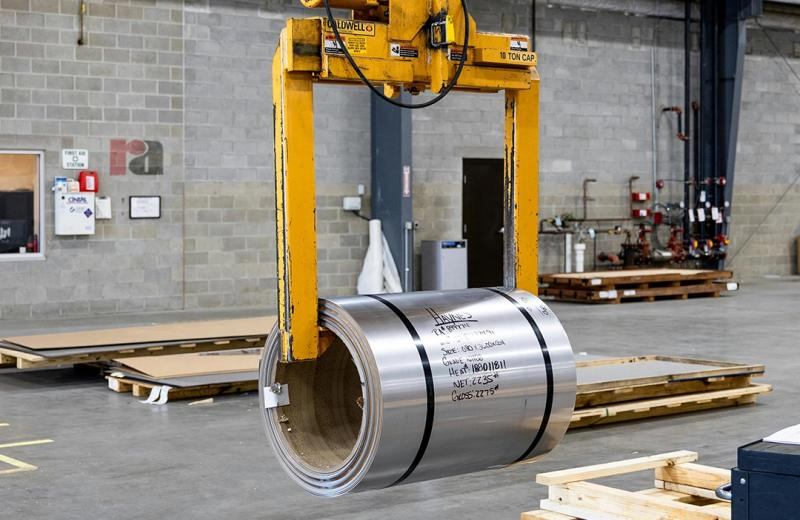
Yes, Steel Coils can be highly corrosion resistant when they are properly coated, manufactured, and selected for the right environment. However, the corrosion resistance and service life of steel coils depend on multiple factors, including coating type, coating thickness, steel grade, environmental exposure, processing methods, and maintenance conditions.
For construction, roofing, wall panels, automotive, and industrial applications, choosing the right corrosion-resistant steel coil solution is essential to ensure long-term performance. As an experienced supplier, HEADSTREAM focuses on providing high-quality coated steel coils designed to deliver reliable durability, surface protection, and consistent performance in demanding applications.
The corrosion resistance of steel coils mainly comes from protective coatings applied to the steel substrate. Since untreated carbon steel can react with moisture and oxygen, manufacturers use advanced coating technologies to create a protective barrier between the steel surface and corrosive elements.
Common corrosion-resistant steel coil solutions include:
Galvanized Steel Coils – Protected with a zinc coating that provides sacrificial corrosion protection.
Aluminum-Zinc Steel Coils – Coated with an aluminum-zinc alloy layer that combines barrier protection with zinc-based protection.
Prepainted Steel Coils – Covered with additional paint layers to enhance weather resistance and provide decorative finishes.
The coating system determines how effectively Steel Coils can withstand humidity, chemicals, salt spray, temperature changes, and outdoor exposure.
The service life of steel coils varies depending on the coating specification and application environment. High-quality coated steel coils can often maintain excellent performance for decades when properly selected and installed.
Typical factors affecting service life include:
Factor | Impact on Service Life |
Coating Type | Determines corrosion protection capability |
Coating Thickness | Thicker coatings generally provide longer protection |
Environmental Conditions | Humidity, salt, chemicals, and pollution accelerate corrosion |
Installation Quality | Improper handling can damage protective layers |
Maintenance | Regular inspection can extend service life |
For example, steel coils used in coastal areas require stronger corrosion resistance compared with products used in dry inland environments. Selecting the appropriate coating system during the purchasing stage is critical for achieving the expected lifespan.
Several technical and environmental factors influence the durability of steel coils.
The coating material is one of the most important factors affecting corrosion resistance.
Galvanized steel coils use zinc coatings that protect steel through two mechanisms:
Physical barrier protection
Sacrificial protection, where zinc corrodes before the steel substrate
This makes galvanized steel coils widely used in construction, roofing, fencing, and industrial applications.
Aluminum-zinc steel coils provide enhanced corrosion resistance because aluminum forms a stable oxide layer that protects the surface. They are particularly suitable for:
Long-term outdoor exposure
Roofing systems
Industrial buildings
High-temperature environments
How thick the protective coating is directly affects corrosion resistance.
A thicker coating generally provides:
Better moisture resistance
Improved salt spray performance
Longer service life
However, the optimal coating thickness depends on the application requirements. Excessive coating thickness may increase cost without providing additional benefits for certain projects.
Environmental conditions significantly influence corrosion rates.
Steel coils exposed to the following conditions require enhanced protection:
Coastal areas with salt spray
Industrial zones with chemical pollutants
High-humidity environments
Areas with frequent temperature changes
For harsh environments, selecting premium coated Steel Coils can significantly reduce maintenance requirements and replacement costs.
The manufacturing process also affects corrosion performance. Poor surface preparation, uneven coatings, or manufacturing defects can create weak points where corrosion may begin.
Professional manufacturers such as HEADSTREAM use controlled production processes and strict quality inspections to ensure:
Uniform coating thickness
Stable mechanical properties
Smooth surface finish
Reliable product consistency
Yes, but the appropriate coating system must be selected according to environmental conditions.
Coastal and high-humidity environments contain higher levels of salt and moisture, which accelerate corrosion. For these applications, buyers should consider:
Higher coating weights
Aluminum-zinc coated steel coils
Additional protective paint systems
Proper edge protection and handling procedures
For roofing, exterior panels, and marine-related structures, corrosion-resistant Steel Coils help improve durability and reduce lifecycle maintenance costs.
To maximize the lifespan of steel coils, buyers should focus on material selection, storage, processing, and installation.
Different projects require different levels of protection. A professional supplier can recommend suitable coating options based on:
Geographic location
Climate conditions
Application purpose
Expected service life
Improper storage can damage steel coil surfaces before installation. Recommended practices include:
Keeping coils dry
Avoiding direct ground contact
Preventing mechanical damage
Maintaining proper ventilation
During cutting, bending, and forming, damaged coating areas should be treated properly to prevent early corrosion.
A qualified supplier ensures that steel coils meet required specifications for:
Coating quality
Thickness tolerance
Surface condition
Mechanical performance
With professional production capabilities and industry experience, HEADSTREAM provides steel coil solutions designed for construction and industrial applications where reliability and durability are essential.
Steel coils can provide excellent corrosion resistance when the correct coating technology and specifications are selected. Factors such as coating composition, thickness, environmental exposure, manufacturing quality, and installation practices all influence their service life.
For construction and industrial projects, investing in high-quality Steel Coils helps improve durability, reduce maintenance costs, and achieve long-term performance. With professional manufacturing expertise and reliable product solutions, HEADSTREAM supports customers in selecting corrosion-resistant steel coil products suitable for various applications and challenging environments.