English
  Español
  العربية
  русский
  ไทย
ไทย 
×
Search
In the world of construction, insulated metal panels (IMPs) have emerged as a cornerstone technology for creating efficient, durable, and aesthetically pleasing building envelopes. These panels are critical to addressing modern architectural demands, such as sustainability, energy efficiency, and rapid installation. As builders and architects aim for optimized environments, understanding the nuances of IMPs becomes essential. This article explores the fundamental aspects of insulated metal panels, including their basic structure, core materials, types, their vital role in energy efficiency, commercial applications, and essential installation considerations. Whether you're a contractor interested in building envelope engineering or a homeowner curious about the latest trends, this guide offers valuable insights into IMPs, potentially impacting decisions from design to deployment.
Insulated metal panels are composite cladding panels consisting of two metal sheets and a core insulating material sandwiched between them. These panels serve both structural and aesthetic functions, offering advantages over traditional building materials. The exterior metal sheets, available in a range of finishes, enhance the building's visual appeal while providing excellent exterior metal cladding and weather protection.
| Panel Component | Description |
|---|---|
| Metal Facings | The exterior and interior surfaces made of galvanized sheet metal coils or other metals, providing durability and aesthetic value. |
| Insulating Core | Core materials like polyurethane, polyisocyanurate (PIR), or EPS provide thermal insulation. |
| Protective Coatings | Metal surfaces are often treated with coatings to enhance corrosion resistance and extend service life. |
The choice of materials for the metal facings and the core significantly influences panels' performance. For instance, using a galvanized steel coil for facings ensures enhanced protection against corrosion, while the insulation core contributes to thermal efficiency, reducing energy consumption by maintaining consistent internal temperatures.
The core material and type of insulated metal panel determine its thermal resistance, fire performance, and overall cost-effectiveness. Common core materials include:
Polyurethane (PU): Known for high thermal insulation properties, PU core panels are preferred in environments where temperature control is crucial.
Polyisocyanurate (PIR): PIR panels offer improved fire resistance compared to PU, making them suitable for many commercial applications.
Expanded Polystyrene (EPS): Provides affordable insulation options, often used in modular house construction.
Different panel types cater to various aspects of building design and functionality. For instance, standing seam metal roof panels are favored for their superior waterproofing capabilities, while external wall cladding is used to enhance architectural features and improve thermal efficiency.
The selection often depends on the building envelope design, factoring in aspects such as local climate conditions, building codes, aesthetic desires, and project budgets. Understanding these distinctions can guide decisions towards achieving the desired balance of performance and cost-efficiency.
With rising energy costs and increasing demands for sustainable construction, insulated metal panels play a pivotal role in enhancing building energy efficiency. The highly efficient insulating cores reduce heat transfer, contributing significantly to a building’s energy consumption mitigation strategies.
IMPs also prove beneficial in achieving energy sustainability ratings, often required by modern building standards. By reducing the reliance on artificial heating and cooling, they contribute to lower energy bills, making them an economically viable solution for the long term.
Several studies highlight the effectiveness of IMPs in maintaining high energy performance in both hot and cold climates. For example, an insulated steel roof panel minimizes internal temperature fluctuations, which is instrumental in maintaining optimal indoor environments, proven particularly important in cold storage panels applications.
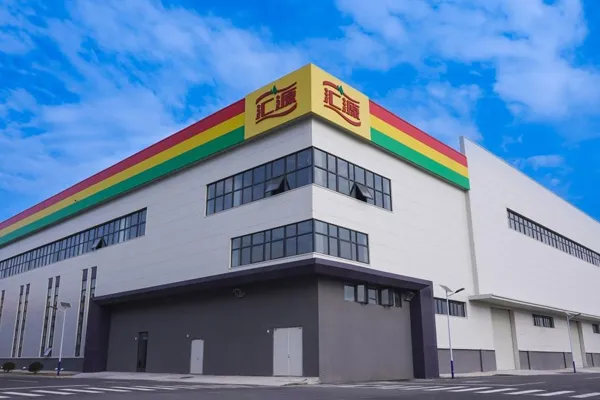
Commercial buildings, like warehouses and manufacturing facilities, often utilize insulated metal panels due to their rapid installation and modularity. The diversity in metal wall panel systems allows architects the freedom to create unique, energy-efficient designs that conform to functional needs and aesthetic preferences.
Malls, office buildings, and educational institutions benefit from IMPs' strong thermal barrier. The panels are commonly part of steel structure constructions, providing both cladding and load-bearing capabilities, which streamline the construction process.
The panels' flexibility extends to exterior metal panels for walls, a popular choice in refurbishing existing structures to improve both their visual appeal and environmental performance. Moreover, the use of panels in standing seam steel roof applications further showcases their adaptability to varied architectural demands.
Successful wall panel installation requires attention to detail, including precision in alignment and secure fastening methods. Proper installation ensures the longevity of the panels and the effective functioning of the building envelope.
Factors such as panel expansion, contraction due to temperature changes, and the integration with other building systems are crucial considerations. Experienced installers often use advanced techniques and tools to accommodate these variables, ensuring seamless interface with metal building insulation panels.
In building projects, whether involving new steel beam structures or refurbishing existing buildings, coordination among contractors, suppliers, and designers is key. Understanding panel expansion parameters and selecting appropriate connections can significantly influence the overall success of the installation process.
Failure to adhere to recommended guidelines could compromise the panels' structural integrity and insulating properties, underscoring the importance of experienced labor and comprehensive planning.
Insulated metal panels stand as a remarkable innovation in building technology, providing structural integrity, aesthetic appeal, and high energy efficiency. From their diverse core materials to flexible application options, IMPs meet the demands of modern architecture and building performance. By exploring the roles of these panels in design, material selection, and installation, stakeholders can make informed decisions that enhance building functionality and sustainability.
For contractors, architects, and developers, leveraging IMPs means fostering environments that support sustainable building practices while addressing cost imbalances and aesthetic desires. As the building industry continues to evolve towards smart, energy-conscious constructions, the role of insulated metal panels in shaping future landscapes cannot be understated.
Reference:
https://www.metalconstruction.org/insulated-metal-panels
https://www.northclad.com/products/imps