English
  Español
  العربية
  русский
  ไทย
ไทย 
×
Search
The use of metal wall panels on exterior walls has become increasingly popular due to their durability, aesthetic appeal, and ability to enhance the energy efficiency of buildings. Whether you're a DIY enthusiast or a contractor, understanding how to properly install these metal building panels is crucial to achieving a seamless and functional finish. This article will guide you through the entire process, from preparation to post-installation care, ensuring that your project enhances the look and performance of your building. Keep reading to learn about the essential preparation steps, required tools and materials, detailed installation instructions, common mistakes to avoid, and maintenance tips for long-lasting results.
Proper preparation is key to a successful installation of metal wall panels. Start by examining the wall surface for structural soundness, as an uneven or weak foundation can result in poor installation. Repair any damages or irregularities, and clean the surface thoroughly to remove dirt, dust, and debris. Assess the climate conditions in your area to select the appropriate insulated metal panels or galvanized sheet metal coils to withstand local weather elements. Lastly, plan your layout by measuring the wall area in advance and ordering sufficient panels, considering both standard sizes and any custom-cut requirements you may have.
Having the right tools and materials at hand will streamline the installation process and ensure a quality finish. Here's a basic list:
| Tools | Materials |
|---|---|
| Measuring tape | Metal wall panels |
| Level | Screws and fasteners |
| Drill and drill bits | Sealant |
| Metal snips | Underlayment or insulation |
| Saw | Flashing components |
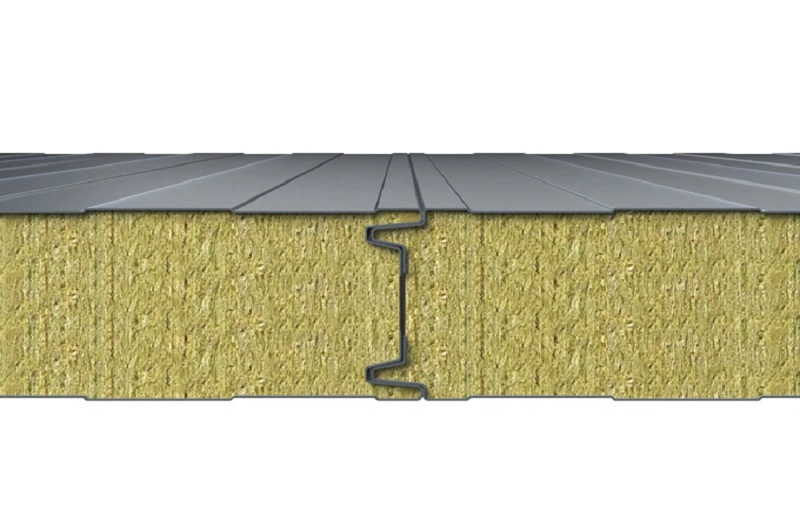
Ensure that all materials, such as insulated metal panels, rockwool panels, or galvanized steel coils, are weather-resistant and suitable for your project's specific climates and design needs.
Follow these steps to ensure a proper and secure installation of metal wall panels:
Install the Underlayment: Lay down an appropriate underlayment or insulation, such as rockwool panel, to ensure thermal efficiency and protection against moisture.
Set Up Flashing: Position flashing at all key junctions such as the roof edge, corners, and openings to prevent water intrusion.
Mount the Panels: Starting from the bottom, align the first panel level and secure it in place using screws and fasteners. Use standing seam roof panel techniques if applicable.
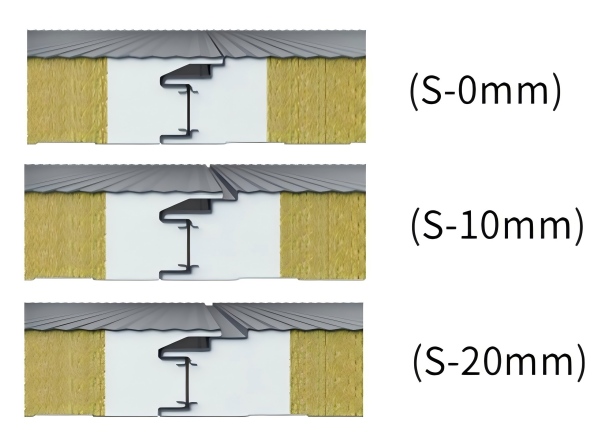
Install Subsequent Panels: Overlap the panels slightly over the preceding ones, ensuring seams are tightly sealed and aligned to avoid water leaks.
Seal Joints and Seams: Apply a suitable sealant along all exposed seams and edges, emphasizing on areas around windows or doors.
Throughout the installation process, periodically check for alignment using a level and adjust as needed.
Despite their ease of installation, there are common errors to watch for that can compromise the performance and appearance of exterior metal panels for walls:
Neglecting Surface Preparation: Failing to clean and even out the surface before installation can lead to misalignment and reduced panel adhesion.
Improper Panel Handling: Avoid dragging panels across rough surfaces, use protective equipment to prevent scratches or dents.
Poor Fastener Application: Over-tightening screws can cause stress fractures, whereas under-tightening will not secure the panels properly.
Inadequate Sealing: Missing or insufficient sealant application can cause leaks and compromise the building's energy efficiency.
Maintaining your newly installed metal wall cladding is crucial for longevity and ongoing performance. Clean the panels periodically to remove dust and environmental residue. Inspect seals and fasteners annually and reapply sealant as necessary. For added longevity, consider applying a protective coating to resist UV damage and enhance weather resistance. If any damage occurs, repair promptly to prevent further issues. Investing in these maintenance practices will ensure that your exterior wall cladding remains aesthetically pleasing and durable over time.
Incorporating these detailed steps into your wall panel installation process will significantly enhance not only the visual appeal but also the efficiency and durability of your building's exterior. Consider consulting with a professional if you're unsure about any steps or if the project's scope extends beyond residential work.
Installing cassette panels on exterior walls is a beneficial upgrade to any building that promises enhanced durability and aesthetic appeal. With proper planning, execution, and maintenance, these panels can significantly contribute to the building's weather resistance and energy efficiency. By following the guidelines in this article, from preparation to post-installation care, you can ensure that your project yields professional results. Whether you're considering installing lightweight corrugated steel sheets or high-performance insulated metal wall panels, the right approach will help you realize a successful transformation of your building's exterior.