English
  Español
  العربية
  русский
  ไทย
ไทย 
×
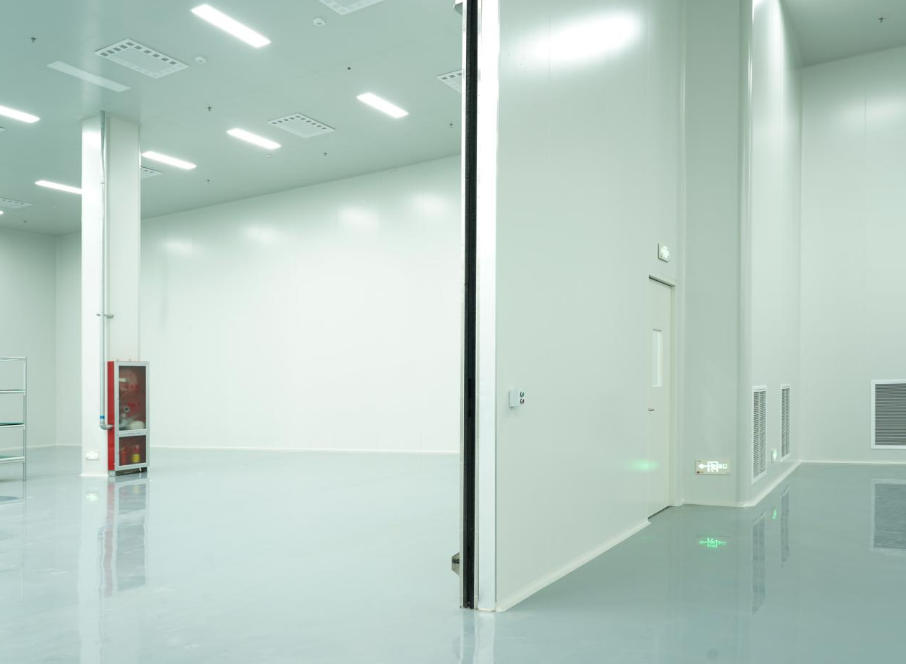
Selecting the right clean room panels is a critical decision for food manufacturers. The wrong materials can lead to contamination risks, energy inefficiency, and compliance issues. This guide explains how to evaluate and choose the best clean room panel system for food processing industries.
1. Hygiene and Surface Finish
Food production areas require smooth, non-porous surfaces to prevent bacterial growth. Panels with food-grade coatings or antimicrobial finishes enhance sanitation and simplify cleaning procedures.
2. Moisture Resistance
High humidity levels are common in food processing plants. Panels must resist moisture absorption to prevent mold growth and structural deterioration.
3. Thermal Insulation Performance
Maintaining stable internal temperatures is crucial for product safety and shelf life. Insulated clean room panels significantly reduce energy consumption while ensuring consistent climate control.
4. Fire Safety Compliance
Facilities must meet local fire safety regulations. PIR panels are often recommended where enhanced fire resistance is required.
5. Durability and Maintenance
Food facilities require frequent cleaning using high-pressure water and chemical agents. Panels should withstand repeated washing without corrosion or surface damage.
Modular clean room panel systems are increasingly popular in food processing industries due to their flexibility and quick installation.
Advantages of Modular Systems:
Rapid installation
Minimal production downtime
Easy expansion or relocation
Cost-effective long-term solution
For growing food manufacturers, modular systems provide scalability without major structural changes.
Insulated panels (PUF and PIR) combine:
Thermal efficiency
Structural strength
Hygiene compliance
Cost-effectiveness
Their prefabricated design also reduces construction time and ensures precision installation.
Choosing panels without proper moisture resistance
Ignoring fire performance requirements
Overlooking future expansion needs
Selecting low-quality coatings that deteriorate quickly
Proper evaluation prevents long-term operational problems.
The best clean room panel solution for food processing industries depends on hygiene standards, temperature control needs, fire safety regulations, and facility layout.
By carefully assessing insulation performance, surface finish, durability, and modular flexibility, food manufacturers can create safe, efficient, and scalable production environments.