English
  Español
  العربية
  русский
  ไทย
ไทย 
×
With industries and commercial facilities rapidly shifting toward renewable energy, rooftop solar systems have become a strategic investment. However, before installing photovoltaic modules, one important question must be answered:
Among modern industrial roofing materials, PUF sandwich roof panels are widely used for their insulation performance, durability, and fast installation. But are they suitable for solar panel mounting?
The answer is yes — when properly engineered and installed.
Understanding the Structure of PUF Sandwich Roof Panels
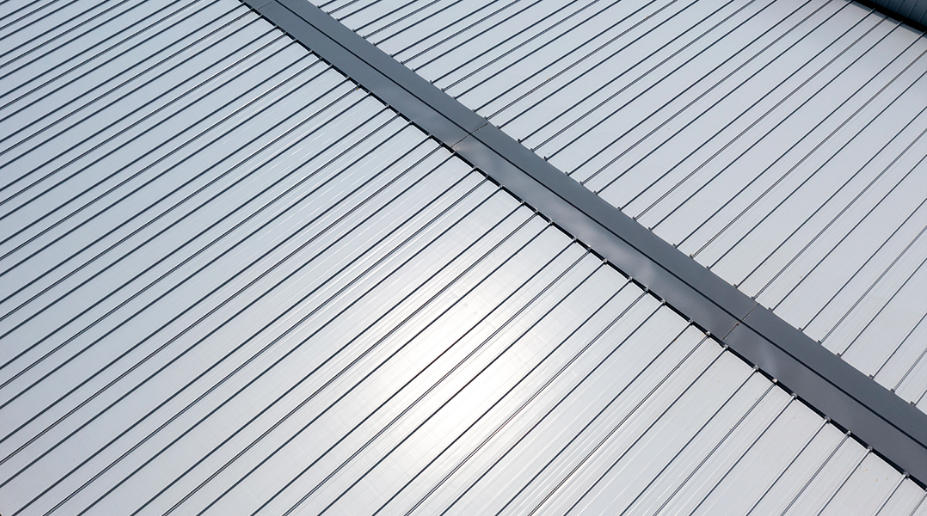
PUF (Polyurethane Foam) sandwich panels consist of two pre-coated metal sheets bonded to a rigid polyurethane insulating core. This composite structure creates a roofing system that is:
Lightweight
Structurally strong
Thermally efficient
Corrosion resistant
Because these panels are factory-engineered products, their load-bearing capacity can be accurately calculated. Manufacturers design them to withstand wind pressure, maintenance traffic, and additional rooftop equipment — including solar mounting systems — when structural calculations are properly followed.
1. Lightweight Yet Structurally Reliable
PUF panels distribute loads efficiently across purlins and structural supports. When mounting systems are correctly anchored into structural members (not just the sheet surface), the solar array’s weight is safely transferred without creating stress concentration points.
2. Enhanced Thermal Performance
Solar panels provide natural shading, reducing direct solar radiation on the roof. When combined with the superior insulation of PUF panels, buildings benefit from:
Lower indoor temperatures
Reduced HVAC load
Improved energy efficiency
This dual-layer performance improves overall operational savings.
3. Faster and Easier Mounting
Compared to traditional RCC roofs, PUF sandwich panels offer:
Uniform surface alignment
Modular panel layout
Predictable structural grid
This simplifies rail placement and bracket installation, accelerating project timelines.
4. Corrosion Resistance for Long-Term Projects
Solar plants are long-term investments. The pre-coated metal facings of PUF panels offer excellent corrosion resistance, ensuring roofing durability throughout the solar system’s lifespan.
Key Technical Considerations Before Solar Installation
Although compatibility is strong, proper engineering evaluation is essential.
Load Assessment
Installers must calculate:
Dead load (solar modules + mounting hardware)
Live load (maintenance access)
Wind uplift forces
If the supporting structure — purlins, rafters, and main frames — is properly designed, solar integration is safe and efficient.
Direct drilling without planning can compromise roof integrity. Best practice includes:
Anchoring into structural members
Using certified brackets or clamp systems
Distributing load evenly
Waterproofing Protection
All penetrations must be sealed with approved fasteners and sealing materials to prevent leakage and maintain roof performance.
Roof pitch influences tilt angle design and energy yield. Structural layout should align with optimal solar orientation for maximum efficiency.
Not necessarily.
Most modern industrial buildings anticipate future solar installation and include additional structural capacity during the design phase. However, older buildings may require:
Structural audit
Load verification
Minor reinforcement adjustments
A professional assessment ensures safety compliance and insurance approval.
Additional Benefits Beyond Solar Power
Installing solar panels on PUF roofing creates combined performance advantages:
Lower Interior Heat Gain
The insulated core plus panel shading significantly reduces heat transfer.
Improved Equipment Lifespan
Cooler indoor environments reduce thermal stress on machinery and stored goods.
Reduced Energy Costs
Daytime solar generation offsets peak electricity tariffs.
Stronger Sustainability Profile
Solar-integrated insulated roofing supports ESG and green building goals.
Will drilling damage insulation?
When done professionally using recommended systems, insulation performance remains intact.
Can wind lift the panels?
Certified mounting systems are engineered to resist uplift forces.
Will warranties be affected?
Most manufacturers maintain warranty coverage when installation guidelines are followed.
Best Practices for Long-Term Performance
✔ Involve the roof panel manufacturer during planning
✔ Obtain structural load approval
✔ Use certified solar mounting hardware
✔ Avoid unnecessary roof penetrations
✔ Schedule periodic inspections
Following these steps allows PUF roofs to perform reliably for decades.
Industrial roofing is evolving from passive protection to active energy generation. Modern factories increasingly treat rooftops as revenue-generating assets.
PUF sandwich panels are ideal for this transition because they offer:
Structural strength
High thermal insulation
Long service life
Compatibility with renewable infrastructure
As solar adoption accelerates globally, integrating insulated roofing systems from the design stage will become standard practice.
Yes — PUF sandwich roof panels are highly suitable for solar panel installations, provided structural planning and professional mounting practices are followed.
They not only support renewable energy systems but also enhance building efficiency, making them one of the smartest roofing solutions for industrial and commercial growth.