English
  Español
  العربية
  русский
  ไทย
ไทย 
×
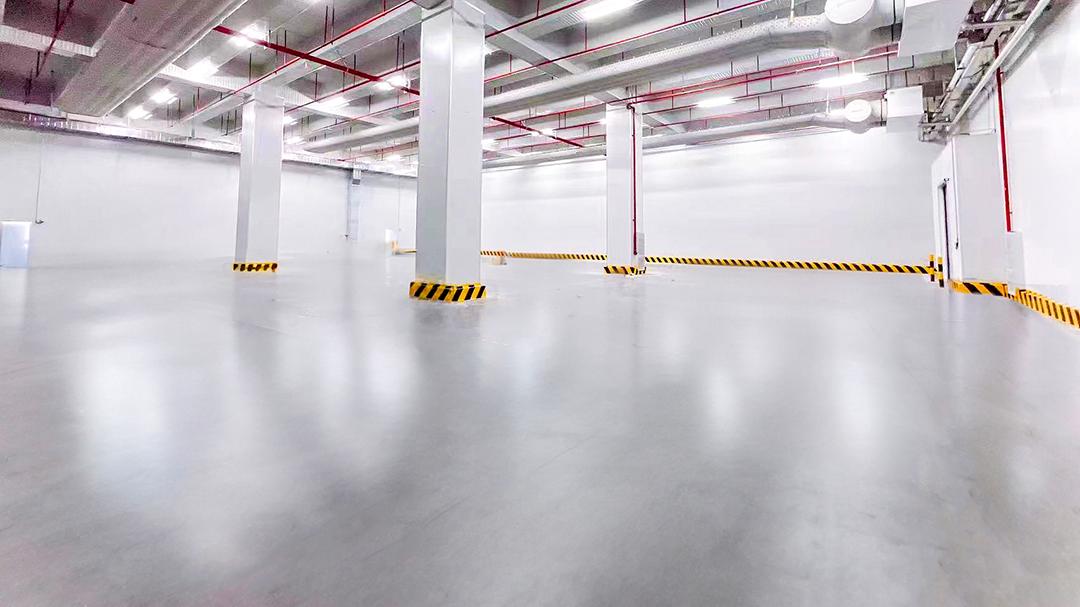
When selecting cold room panels, fire performance is one of the most critical factors. According to the Chinese standard GB 8624 – Classification for Burning Behavior of Building Materials and Products, cold room panels are commonly classified into B1 (flame-retardant) and B2 (combustible) grades.
Understanding the differences between these two grades helps ensure the right balance between safety, performance, and cost.
B1 Grade (Flame-Retardant Material)
B1 panels are classified as flame-retardant materials with an oxygen index (OI) of ≥30%. They are difficult to ignite under open flame or high temperatures, and combustion stops quickly once the fire source is removed.
B2 Grade (Combustible Material)
B2 panels are combustible materials with an oxygen index of ≥26%. They can ignite easily when exposed to open flames, and the fire tends to spread more rapidly.
B1 Grade Panels
Slow flame spread during combustion
No ignition of filter paper from burning droplets
Fire Growth Rate Index (FIGRA) ≤ 250 W/s
Smoke density rating ≤ 75
B2 Grade Panels
Faster flame spread
Burning droplets may ignite surrounding materials
Fire Growth Rate Index (FIGRA) ≤ 750 W/s
Higher smoke density
B1 Grade Cold Room Panels
B1 panels are widely used in projects with high fire safety requirements, including:
Pharmaceutical cold storage
Food cold chain logistics centers
Storage facilities for flammable or hazardous goods
They meet strict fire protection requirements for key areas such as corridors and partition walls in cold storage facilities.
B2 Grade Cold Room Panels
B2 panels are generally suitable for:
Non-load-bearing external wall infill
Projects with lower fire protection requirements
However, additional fire prevention measures are usually required. These panels are often chosen for standard cold storage projects where budget is a primary concern.
B1 Panels: Typically 10%–20% higher in cost due to enhanced flame-retardant additives and stricter manufacturing processes
B2 Panels: More cost-effective, suitable for budget-sensitive projects
In summary, B1 cold room panels offer significantly better fire safety performance than B2 panels, making them the preferred choice for high-standard and safety-critical applications.
However, B2 panels remain a practical option for projects with lower fire protection requirements and tighter budgets.
Choosing the right panel depends on your specific application scenario, fire safety standards, and overall project budget.