English
  Español
  العربية
  русский
  ไทย
ไทย 
×
In steel structure buildings, purlins are essential secondary members that support roof and wall systems. They help transfer loads from roof sheets, wall cladding, and external forces to the main steel frame. For contractors, builders, and project buyers, choosing the right c and z purlin is important for structural stability, installation efficiency, and long-term building performance.
HEADSTREAM supplies high-strength C and Z steel purlins for industrial buildings, public facilities, functional roofing, cleanroom projects, cold chain facilities, and other steel structure applications. Understanding the difference between C and Z purlins can help buyers make a more practical purchasing decision.
C and Z purlins are commonly used as roof purlins and wall girts in steel structure buildings. They provide intermediate support between the main structural frame and the outer building envelope, including roof panels, wall panels, and cladding systems.
In many projects, metal c purlins are used for roof beams, wall supports, and simple-span structures. Steel z purlins are often selected for continuous-span roof systems because their shape allows overlapping connections between sections. Both types can improve structural efficiency when they are properly matched with building span, load requirements, and installation design.
For buyers who need high-strength purlins for construction projects, the HEADSTREAM C & Z Steel Purlins page provides product information for structural support applications.
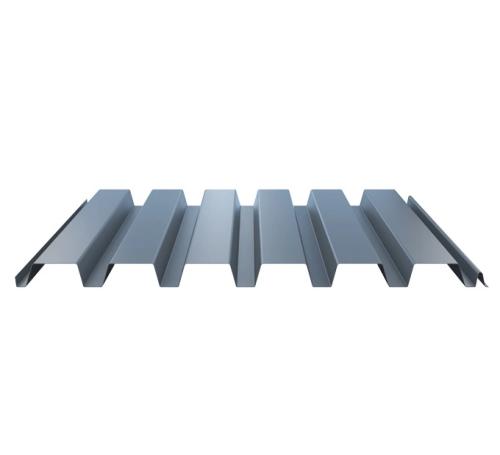
C purlin steel is usually suitable for projects that require simple installation, stable support, and straightforward connection details. Its C-shaped section is easy to handle and connect, making it a practical choice for roof framing, wall girts, and secondary structural support.
Buyers often choose C purlins for small and medium-span steel buildings, warehouses, workshops, agricultural buildings, and prefabricated structures. The profile is also suitable when the project requires clean alignment and simple connection with other steel members.
When selecting C purlins, buyers should confirm section size, thickness, steel grade, hole position, surface treatment, and required length. These details affect both installation accuracy and load-bearing performance.
Steel z purlins are widely used in continuous roof systems and larger steel structure buildings. Compared with C purlins, Z purlins can be overlapped at supports, which helps create continuous structural behavior and improves efficiency in long-span roof layouts.
Metal z purlins are often preferred when the building design requires better load distribution across multiple spans. They are suitable for industrial workshops, logistics centers, large-span roofing systems, and commercial steel buildings.
However, Z purlins should be selected according to the project’s engineering drawings. Buyers need to confirm span length, roof load, wind load, installation method, overlap length, and connection requirements before ordering.
Before ordering metal c purlins or metal z purlins, buyers should evaluate several important factors:
Building span: Longer spans may require different profiles, thicknesses, or Z purlin overlap designs.
Load requirements: Roof load, wind load, snow load, and wall cladding load should be considered.
Material strength: High-strength galvanized steel helps improve structural reliability.
Surface protection: Galvanized coating improves corrosion resistance for long-term use.
Punching accuracy: Accurate hole positions help reduce installation errors on site.
Customization: Section size, thickness, length, and punching layout should match project drawings.
HEADSTREAM provides C80-400 and Z80-400 purlin options, with thickness from 1.5-4.0mm and steel strength grades from G250 to G450. These product ranges help support different structural design requirements.
HEADSTREAM is a leading building materials brand in China, specializing in metal-faced sandwich panels, steel structures, and cladding systems. With six major factories and global expansion across more than 10 countries, the company supports project-based supply for customers in Southeast Asia, North Africa, South America, the Middle East, and other markets.
For steel structure projects, HEADSTREAM can provide C and Z purlins with galvanized surface treatment, roll forming, CNC punching, and custom specifications. Whether buyers are comparing purlin types or looking for stable supply, HEADSTREAM can support product selection based on project drawings and construction requirements.
Choosing the right c and z purlin depends on building span, load requirements, connection method, roof system, wall structure, and project design standards. C purlins are practical for simple-span support and easy installation, while Z purlins are often better for continuous-span roof systems and larger steel buildings.
If you are looking for reliable metal c purlins or steel z purlins for a steel structure project, HEADSTREAM can provide product selection and project-based supply support. Visit the C & Z Steel Purlins page or contact HEADSTREAM to discuss your specifications.