English
  Español
  العربية
  русский
  ไทย
ไทย 
×
Choosing the right sheet profile is one of the fastest ways to improve roof and wall performance—before you even get into insulation or structure. A well-specified profiled metal sheet can enhance stiffness, drainage behavior, wind resistance, and overall finish consistency across large façades and roofs. This guide breaks down common profile options and practical detailing points so you can specify profiled roof sheets and profiled cladding with confidence.
For product reference and applications, you can also review Headstream’s profiled metal sheet page.
A profiled metal sheet is a metal sheet formed into a repeating shape (profile) to increase strength and control water run-off. Because the geometry adds rigidity, the sheet can span between supports more effectively than a flat sheet, while remaining relatively lightweight and quick to install.
In building envelopes, these sheets are widely used for roofs and walls where durability and construction speed matter. Depending on the project, profiled sheet cladding can be selected to prioritize drainage, aesthetics, or structural performance (or all three) while maintaining a clean, uniform exterior finish.
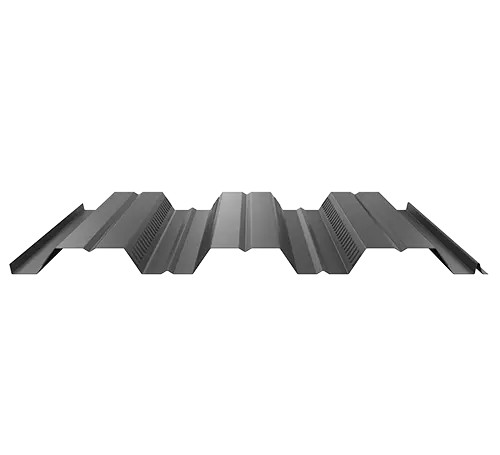
“Corrugated” profiles are among the most recognizable roof forms because the shape naturally sheds water and adds stiffness. When specifying corrugated roof sheeting, it’s important to confirm the rib geometry, pitch, and overlap approach—because those details affect wind-driven rain resistance and how consistently sheets align on site.
From a design and documentation standpoint, using the correct naming and drawings for the corrugated roof profile reduces miscommunication between designers, fabricators, and installers. Clear profile definition also helps streamline approvals and avoids substitutions that can disrupt detailing.
If you need precise coordination in submittals, call out the corrugated roof sheeting profile clearly (including lap direction, edge condition, and fixing lines) to keep installation predictable. For projects that require layered performance, composite corrugated roof sheets can be considered where the assembly must work as part of a broader roof build-up strategy.
For industrial and logistics buildings, selection often comes down to profiles optimized for span capability, robustness, and straight-line aesthetics. corrugated roofing sheets box profile options are commonly chosen where a crisp rib appearance and practical installation rhythm are desired across large roof areas.
On façades and mixed-use envelopes, box profile cladding can create strong shadow lines and a neat, modular look. Depending on exposure and finish requirements, box profile galvanised roof sheets may also be used where long-term durability is a key consideration.
If the project needs a more structural rib geometry, trapezoidal roofing sheets are often specified to balance stiffness with efficient drainage and reliable fixing patterns. In wall applications, trapezoidal roof cladding can help maintain a consistent architectural language between roof and façade zones.
Many roof issues are not caused by the sheet itself, but by avoidable mistakes in layout, fastening, and laps. A good installation plan for fixing corrugated roofing sheets starts with straight setting-out lines, correct lap orientation, and fastener placement that matches the profile’s crest/valley intent.
Similarly, fitting corrugated roof sheets should account for thermal movement, edge restraints, and penetrations (pipes, ducts, and rooflights). Detail lap lengths, closure pieces, and flashing interfaces early so installers aren’t forced to improvise at critical water-shedding areas.
Finally, confirm the specified roofing profile aligns with the support layout and edge details. When the profile and the substrate planning are coordinated, the roof is easier to align and typically performs more consistently over time.
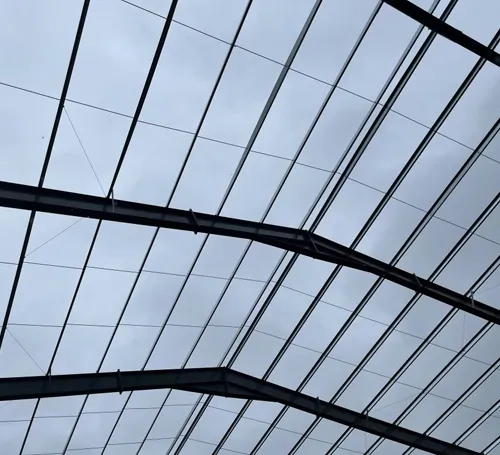
Start by separating roof and wall requirements. For profiled sheet cladding on walls, visual alignment, straightness, and interface detailing around openings often drive profile and module choices. For roofs, drainage paths, laps, and penetration detailing typically dominate decision-making.
Next, consider whether the build-up needs an interior liner or a defined internal finish. In those cases, a liner profile sheet can be part of the system approach, supporting cleaner internal surfaces and clearer construction sequencing.
For architectural roof designs that emphasize clean seams and minimized visible fixings, seam roof panels (or a seam panel approach) may be used to support a refined visual result while maintaining a practical installation logic.
For high-throughput construction where repeatability is essential, industrial corrugated roofing sheets are frequently selected because crews can maintain consistent setting-out and fastening rules across large areas.
Selecting the right profile is a practical way to improve buildability, appearance consistency, and long-term performance—without complicating the project. Whether you’re choosing roofing sheets box profile for a clean industrial roof, trapezoidal corrugated sheet for higher rib stiffness, or profiled cladding for a uniform façade, the key is aligning profile choice with detailing, fixing, and installation sequencing.
If you’re evaluating manufacturing and supply for project-ready sheets, Headstream provides product options and documentation support through its profiled metal sheet page. You can also learn more about the manufacturer at Headstream.