English
  Español
  العربية
  русский
  ไทย
ไทย 
×
Cold storage facilities require precise temperature control to preserve food, pharmaceuticals, and other sensitive products. A key component of this system is the cold room panel. But how exactly do these panels maintain stable temperatures?
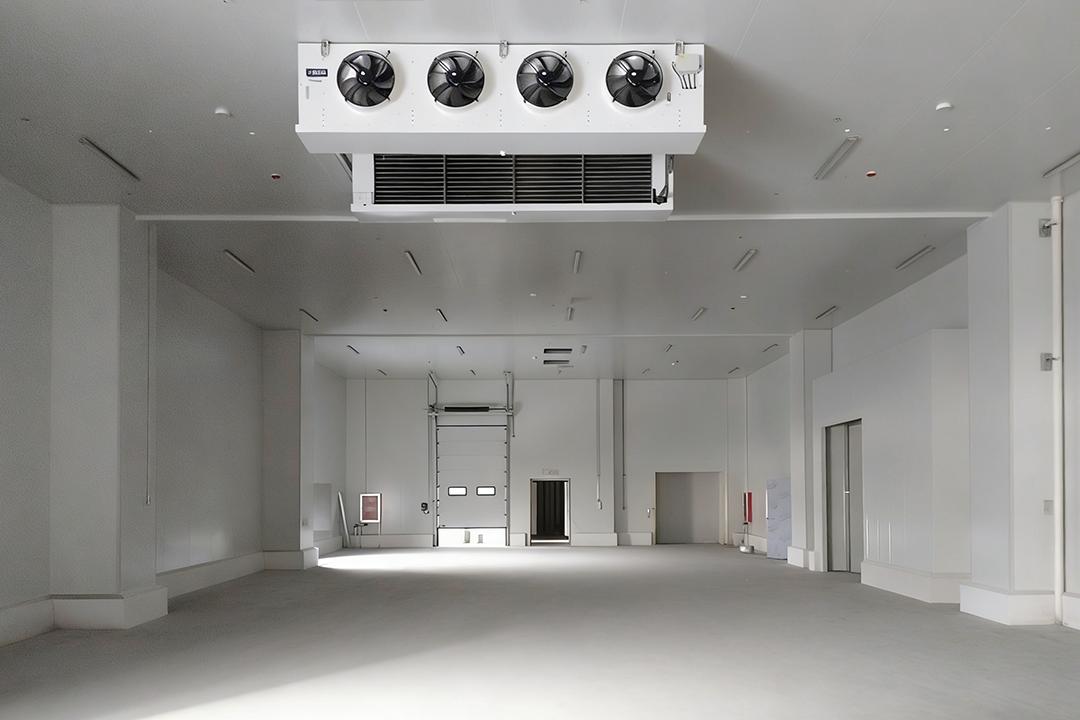
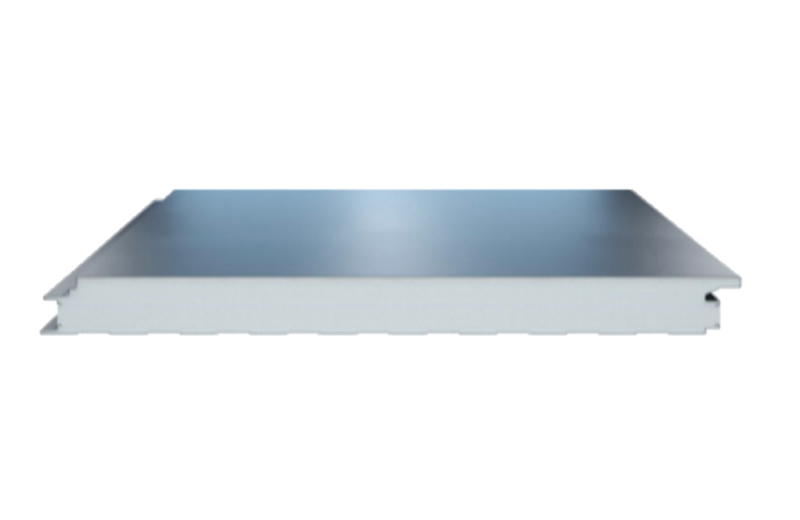
Cold room panels are designed with high-performance insulation cores, typically polyurethane (PU) or polyisocyanurate (PIR). These materials have very low thermal conductivity, meaning they significantly reduce heat transfer between the inside and outside environments.
This insulation minimizes energy loss, allowing refrigeration systems to maintain consistent temperatures with less effort.
Another important factor is airtightness. Cold room panels use tongue-and-groove or cam-lock systems to create tight joints. This prevents warm air from entering and cold air from escaping, ensuring stable internal conditions.
By reducing thermal leakage, cold room panels lower the workload on cooling systems. This leads to significant energy savings and reduced operating costs over time.
Food processing and storage facilities
Pharmaceutical warehouses
Logistics cold chain systems
Cold room panels maintain stable temperatures through a combination of high-performance insulation and airtight construction. They are essential for ensuring product quality and operational efficiency.
CTA
Need reliable cold room panels? Get in touch with HEADSTREAM for tailored solutions that maximize energy efficiency.