English
  Español
  العربية
  русский
  ไทย
ไทย 
×
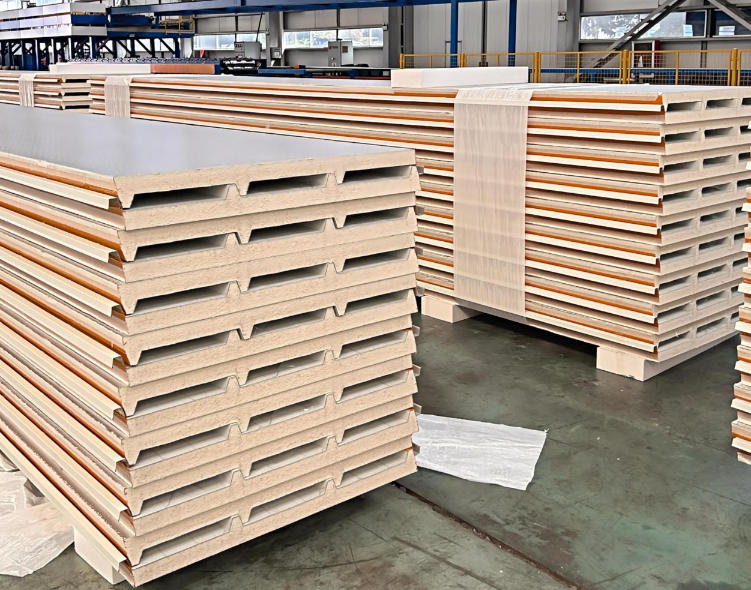
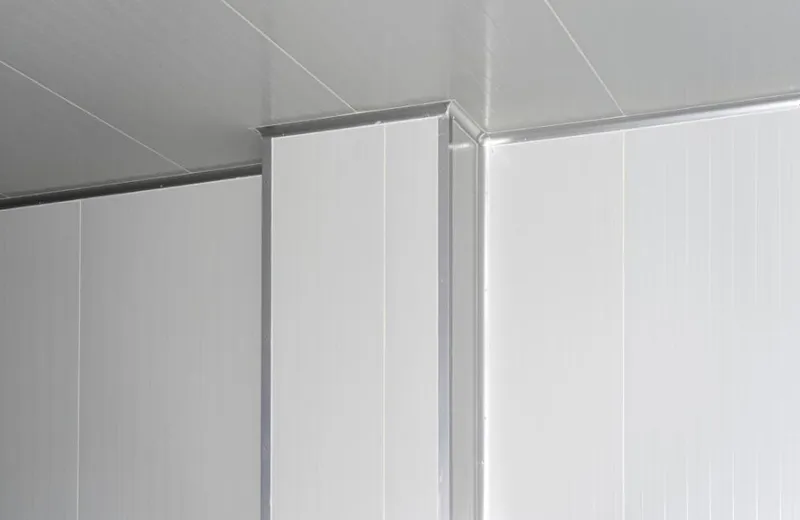
In modern warehousing, protecting stored goods from extreme temperatures, humidity, and moisture is a top priority. One of the most effective solutions is using weather-resistant PUF (Polyurethane Foam) panels for insulation and roofing. These panels provide excellent protection against temperature swings and moisture, making them ideal for warehouses that operate year-round.
When selecting PUF panels, several key factors ensure your warehouse maintains a stable environment and your products stay safe. This guide covers the essential considerations for choosing the right PUF panels, their benefits for temperature control, and tips for selecting the most suitable options.
PUF panels are made from Polyurethane Foam, a material renowned for its high insulating performance. They are widely used in cold storage, food warehouses, pharmaceutical facilities, and general warehouse roofing. Their benefits include:
Superior Insulation: Reduces heat transfer and maintains stable internal temperatures.
Weather Resistance: Withstands both high heat and freezing conditions, keeping stored goods protected.
Versatility: Suitable for warehouses storing temperature-sensitive items like food, electronics, or pharmaceuticals.
1. Thermal Insulation Efficiency
Choose PUF panels with a high R-value to maximize resistance to heat flow. For areas with extreme temperature fluctuations, high-density panels deliver better thermal performance and energy efficiency.
2. Moisture Resistance
In humid climates or for moisture-sensitive products, moisture-resistant PUF panels prevent condensation, mold, and mildew. This is critical for perishable food, electronics, and pharmaceuticals.
3. Durability Against Weather Extremes
Ensure the panels are UV-resistant, waterproof, and capable of withstanding snow or heavy rain. Panels with reinforced outer layers provide additional protection in harsh climates.
4. Fire Resistance
For warehouses storing flammable materials, fire-rated PUF panels are essential. They help slow down fire spread and provide extra time for safety measures. Always check the panel’s fire rating.
5. Cost-Effectiveness
While high-quality panels may be more expensive upfront, they can reduce long-term energy costs by maintaining stable warehouse temperatures. Evaluate lifecycle costs, including maintenance and energy savings.
6. Ease of Installation
Lightweight, modular panels reduce installation time and labor costs. Choose panels that fit seamlessly into your warehouse structure.
7. Thickness and Size
The required thickness depends on your insulation needs. Cold storage facilities may need thicker panels, while warehouses in mild climates can use thinner options.
Weather-resistant PUF panels are highly versatile and can be used for:
Roof Insulation: Shields the interior from external temperature changes.
Wall Panels: Provides continuous protection from environmental elements.
Cold Storage: Maintains optimal conditions for perishable goods.
Pre-Engineered Buildings: Ideal for quick construction with excellent insulation properties.
Select a reputable supplier who provides PUF panels meeting industry standards, with certifications for weather resistance. A dependable supplier should also offer warranties, installation guidance, and customer support to ensure panels perform effectively over time.
Choosing the right weather-resistant PUF panels is essential for maintaining a secure, energy-efficient warehouse environment. By considering insulation efficiency, moisture resistance, durability, fire safety, and cost-effectiveness, you can protect your goods from harsh conditions while optimizing warehouse performance. With the right panels, your warehouse will remain safe, efficient, and ready for all-season operations.