English
  Español
  العربية
  русский
  ไทย
ไทย 
×
For many industrial and commercial envelopes, corrugated steel sheets are chosen because they combine practical strength with straightforward installation and a clean, repeatable exterior rhythm. When you align profile selection and detailing early, corrugated cladding sheets can deliver reliable weathering performance and consistent visual lines across large elevations.
corrugated steel sheets are formed steel sheets with a repeating ribbed shape that increases stiffness and helps guide water run-off. On drawings or technical discussions, you may also see the wording steel sheet corrugated, referring to the same family of profiled products.
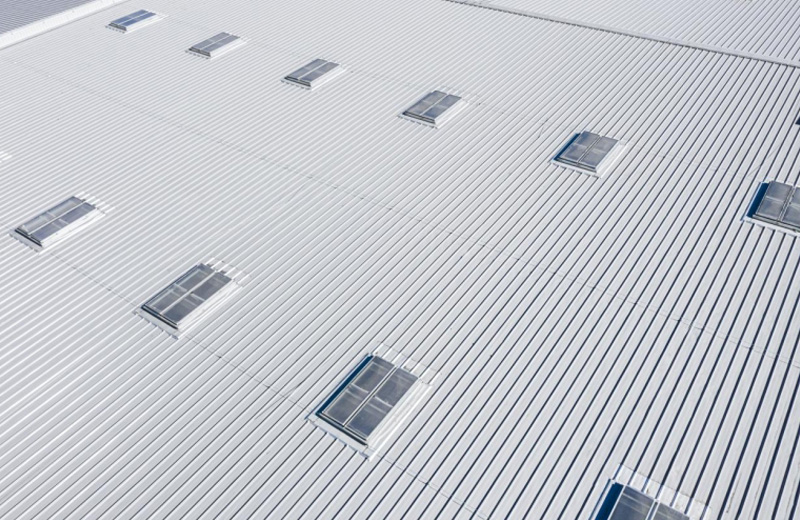
In typical projects, corrugated steel sheets are used as outer skins for roofs and walls, where the profile geometry supports spanning, fastening, and alignment across bays. To avoid site rework, specify the sheet type, lap direction, and fixing lines clearly from the start.
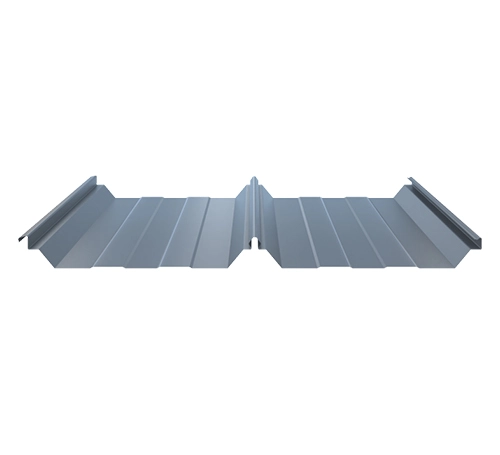
Different corrugated metal profiles can change how the surface reads from a distance, how laps sit, and how easily installers keep lines straight. A deeper or more defined rib often improves stiffness, while the rib spacing influences module rhythm and the look of shadow lines.
When documenting submittals, corrugated metal panel profiles should be identified consistently across drawings, schedules, and installation notes. Clear profile definition also helps reduce mismatches between shop output and site expectations—especially at corners, edges, and transitions.

There are multiple types of corrugated metal panels, and the “best” choice depends on whether the priority is façade consistency, roof drainage behavior, or a balance of both. Standardizing one profile across large zones can simplify layout, accessories, and sequencing.
For broad coverage and repeatable installation, corrugated sheet metal panels are often selected because crews can maintain consistent lap and fastening patterns across long runs. When performance and appearance must be controlled together, choose panel types that match the project’s support spacing and detailing approach.
Even with good materials, performance depends on how joints and edges are handled. For corrugated cladding sheets, focus detailing on lap strategy, edge closures, penetrations, and transitions so water shedding remains uninterrupted along the intended drainage path.
Where the design needs a more “panelized” expression, corrugated cladding panels can be coordinated with consistent fixing lines and disciplined setting-out. When the detailing logic stays uniform, corrugated cladding sheets tend to install faster and look cleaner—especially around openings and terminations.
Selecting corrugated steel sheet suppliers is largely about consistency and technical support: confirm coating documentation, thickness control, profile repeatability, and the supplier’s ability to provide clear production and installation references. Reliable QA and stable lead-time planning often matter as much as the sheet itself.
If you’re comparing manufacturer capabilities for corrugated steel sheets, you can review Headstream’s product information here: corrugated steel sheets(/products/corrugated-steel-sheets/). You can also learn more about the manufacturer at Headstream.