English
  Español
  العربية
  русский
  ไทย
ไทย 
×
Modern façades need more than a clean look—they must support energy efficiency, acoustic comfort, and long-term durability. A well-designed cassette panel solution can deliver reliable thermal insulation, soundproofing benefits, and strong structural performance while keeping installation efficient and repeatable across large elevations. With a modular layout, cassette cladding panels also help teams maintain consistent alignment and crisp shadow lines on commercial buildings, industrial facilities, and warehouses.
In this guide, we’ll walk through how a cassette panel system works, why designers specify it for demanding exteriors, and what to consider when choosing materials and details for your next façade project.
A cassette panel is typically a metal-faced façade unit formed with folded edges (returns) to create a stiff “cassette” shape. These units are installed as a coordinated cassette panel system, usually with concealed fixings and engineered joints that control water shedding, ventilation, and alignment.
In many projects, cassette cladding is used as part of a metal curtain wall strategy or as a rainscreen layer over a supporting substrate. The goal is to combine architectural finish with practical performance—flatness, rigidity, clean detailing, and consistent module repetition.
If you’re exploring product specifications and typical configurations, you can start here: cassette panel.
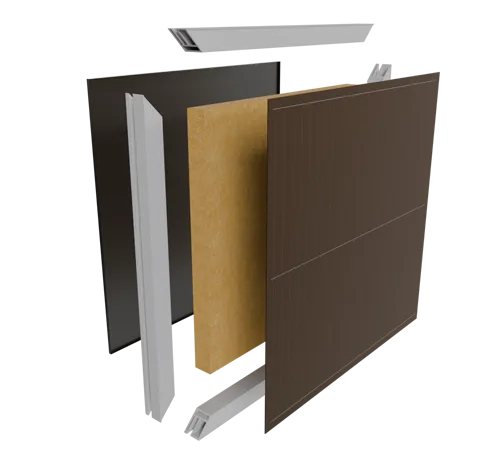
One of the strongest reasons to specify metal cassette cladding is façade performance with design freedom. Compared with simpler sheet applications, the cassette form improves stiffness and helps panels stay visually flat across wider spans, especially on tall or wind-exposed elevations. As an exterior metal cladding approach, it also supports modern design goals like minimal joints, sharp reveals, and uniform color across large surfaces.
Beyond aesthetics, exterior metal cladding panels can be engineered for thermal and acoustic requirements by pairing the cassette layer with appropriate insulation, air barriers, and sub-framing. This makes cassette solutions popular for warehouses, factories, and commercial buildings where energy control and durability matter as much as appearance.
For architects who want a contemporary envelope with predictable installation, cassette cladding provides a repeatable system logic: standardized modules, controlled tolerances, and clear sequencing that reduces on-site variability.
Good detailing is what turns a nice-looking façade into a long-lasting one. A typical exterior metal panel wall detail should address water management (drainage paths, pressure equalization), airflow/ventilation behind the cladding, and thermal movement of metal components. Designing the joint strategy early—open joint vs. closed joint, gasketed vs. baffled—helps reduce later changes and ensures the façade performs consistently across elevations.
Sub-framing and bracket layout are also critical for alignment and load transfer. When planning metal wall cladding systems, consider wind loads, panel size, corner conditions, and tolerance stacking. Even small variations in substrate flatness can become visible over long runs, so the support system must allow adjustment while keeping the façade plane true.
Finally, confirm how your system integrates with surrounding components—windows, louvers, parapets, and base details. A coordinated exterior metal wall panel systems approach should clearly define transitions, seal interfaces, and allow access for inspection and maintenance without compromising the façade’s clean lines.
Material selection affects everything from panel weight to fire performance and finishing options. Many façade projects compare an acm wall panel system with alternatives like mcm cladding panels and other composites. The “right” choice depends on performance targets, local codes, and project constraints such as module size, curvature needs, and expected exposure.
ACM (Aluminum Composite Material) panels are widely used for façade aesthetics and consistent flatness. An acm wall panel system can be effective when paired with appropriate core selection and compliance documentation aligned with local fire regulations.
MCM (Metal Composite Material) solutions (often with different material constructions) are sometimes selected for specific performance profiles and finishing requirements. For projects that prioritize surface durability and certain system behaviors, mcm cladding panels may be considered during the specification phase.
Other metal composite material panels and engineered options can support different design intents, including special coatings, higher rigidity requirements, or integration with specific sub-framing methods.
No matter the material, ensure the full assembly is evaluated—panel, fixings, sub-framing, insulation, air/water barriers—so the chosen metal composite panel cladding approach performs as a complete envelope system, not just a surface finish.
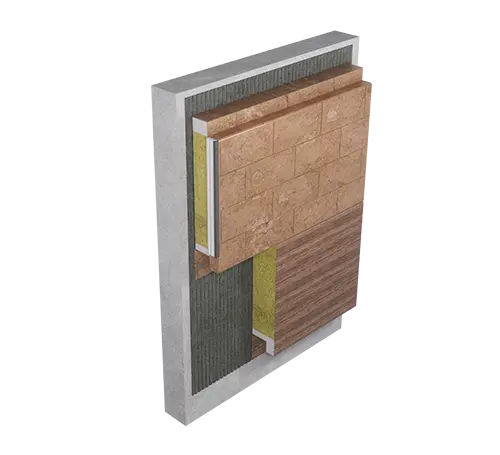
Efficient installation starts with clear module planning and factory consistency. With cassette cladding panels, teams typically rely on repeatable panel geometry, standardized fixing points, and sequenced installation that progresses floor-by-floor or bay-by-bay. Pre-install coordination—panel numbering, shop drawings, and logistics—helps keep alignment clean and reduces rework on site.
For long-term performance, routine inspection should focus on joints, seal interfaces, and areas with higher water exposure (parapets, corners, and penetrations). When designed as robust exterior metal cladding systems, cassette assemblies can remain stable for years with periodic checks and basic cleaning suited to the coating system.
If your project requires a supplier that can support detailing, fabrication consistency, and global delivery, consider working with experienced exterior metal wall panels suppliers that provide system-level documentation and quality control across production and finishing.
HEADSTREAM (Headstream Panel) is a leading brand in China’s building materials industry, founded in the 199s and established in 2003. The company specializes in metal-faced sandwich panels, steel structures, and cladding systems, operating six major factories with strong capabilities in production, innovation, and quality services. Since 2022, HEADSTREAM has accelerated global expansion, establishing subsidiaries or facilities in 10+ countries across Southeast Asia, North Africa, South America, and the Middle East.
Learn more at HEADSTREAM, or explore the cassette panel product page for façade applications and system options.