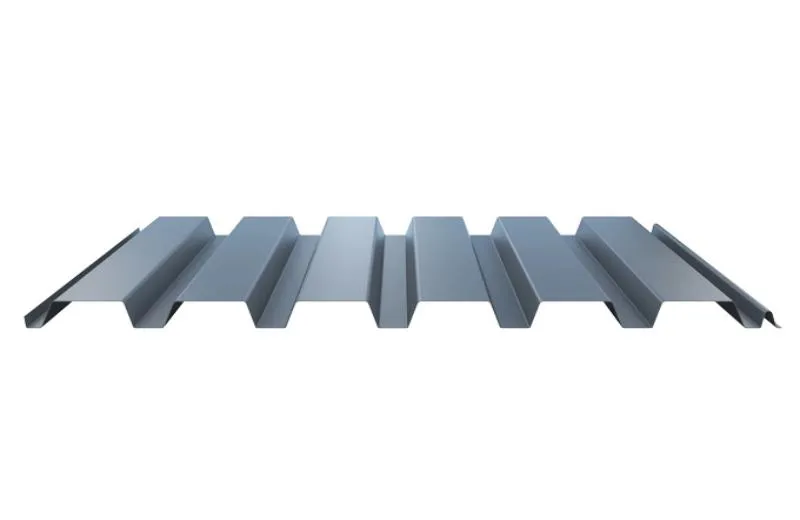
Sandwich panels are widely used in modern construction due to their lightweight structure and excellent insulation properties. However, many buyers still ask: Are sandwich panels suitable for extreme weather conditions such as heavy rain, strong winds, or coastal environments? The answer is yes—when properly selected and installed, sandwich panels can perform exceptionally well even in harsh climates.
Performance in Extreme Weather
Sandwich panels consist of a core material (PU, PIR, or Rock Wool) sandwiched between two metal sheets. This structure provides high strength and durability. For high-wind areas, panels with reinforced steel facings and proper fastening systems can withstand strong wind loads. In regions with heavy rainfall, their tight joint systems prevent water infiltration, ensuring long-term protection.
For coastal environments, corrosion resistance is critical. Color-coated or galvanized steel sheets with anti-corrosion coatings significantly improve durability against salt air and humidity.
Thermal and Moisture Resistance
Extreme climates often involve temperature fluctuations. Sandwich panels provide stable thermal insulation, reducing heat transfer and maintaining indoor comfort. PU and PIR panels, in particular, have low thermal conductivity, making them ideal for both hot and cold regions.
Additionally, the sealed structure helps prevent moisture penetration, reducing the risk of mold or structural damage.
Applications
Industrial warehouses in windy regions
Cold storage facilities in humid climates
Coastal factories and logistics centers
Conclusion
Sandwich panels are highly suitable for extreme weather conditions when the right materials and coatings are chosen. Their durability, insulation performance, and resistance to environmental factors make them a reliable building solution.
 English
  Español
  العربية
  русский
  ไทย
ไทย