Sustainability is a key focus in modern construction, and energy-efficient building materials are increasingly in demand. PUF (Polyurethane Foam) insulated wall panels have emerged as a leading choice for sustainable construction, offering high thermal performance, durability, and long-term cost savings. But how environmentally friendly are these panels? This article explores their eco-benefits and role in sustainable building.
What Are PUF Insulated Wall Panels?
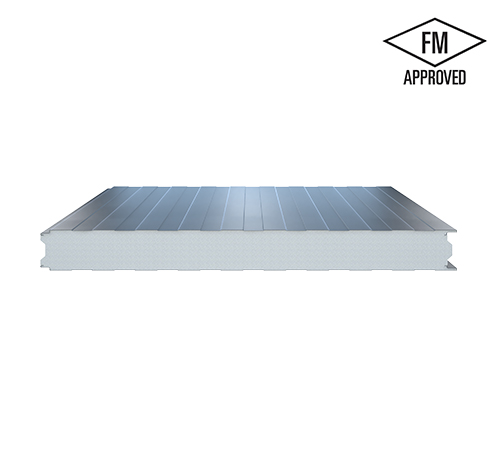
PUF insulated core panels are sandwich panels with a rigid polyurethane foam core between two layers of metal sheets (typically aluminum or galvanized steel). Known for excellent insulation, lightweight design, and structural strength, they are widely used in walls, roofs, and cold storage facilities across residential, commercial, and industrial projects.
How PUF Panels Promote Sustainability
1. Energy Efficiency & Reduced Carbon Footprint
PUF panels provide superior thermal insulation, maintaining stable indoor temperatures with minimal energy use. This reduces reliance on HVAC systems, cutting energy consumption and greenhouse gas emissions.
2. Durability & Longevity
With a long lifespan and minimal maintenance requirements, PUF panels reduce the frequency of repairs and replacements. This durability decreases construction waste and extends the service life of buildings.
3. Recyclability & Waste Reduction
Many PUF panels are designed to be recyclable at the end of their lifecycle. Materials can be repurposed, reducing landfill accumulation and supporting a circular construction economy.
4. Eco-Friendly Manufacturing
Leading building panel manufacturers use low-impact or zero Global Warming Potential (GWP) blowing agents and environmentally responsible production methods to minimize the panels’ ecological footprint.
Applications in Sustainable Construction
Green Buildings: Support LEED-certified projects and energy-efficient design goals.
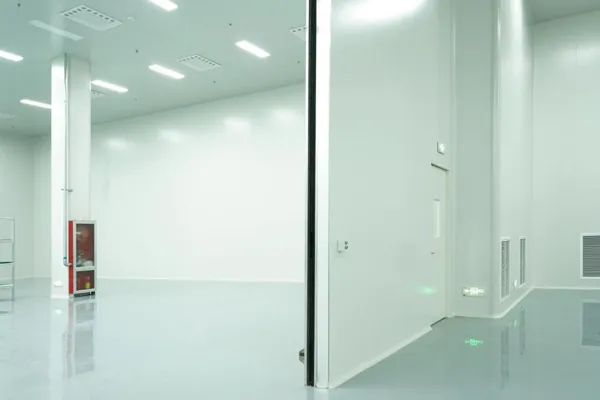
Cold Storage & Warehouses: Cold store panels minimize energy consumption for temperature control, lowering operational costs.
Modular & Prefabricated Structures: Enable rapid construction with less waste.
Residential & Commercial Buildings: Improve insulation, reduce energy bills, and promote sustainable operations.
Considerations & Environmental Concerns
Synthetic Components: PUF is non-biodegradable, requiring proper disposal or recycling.
Blowing Agents: Older panels may use chemicals with higher environmental impact, though modern eco-friendly alternatives are increasingly used.
End-of-Life Management: Responsible recycling programs are essential to prevent environmental hazards.
Conclusion
Overall, insulation PUF core panels are an environmentally friendly choice when sourced responsibly. Their energy efficiency, durability, recyclability, and eco-conscious manufacturing make them ideal for sustainable construction. By choosing PUF panels, builders and homeowners contribute to a greener, more energy-efficient future while reducing the environmental impact of their buildings.
 English
  Español
  العربية
  русский
  ไทย
ไทย