English
  Español
  العربية
  русский
  ไทย
ไทย 
×
In today’s construction landscape, energy efficiency is a top priority. Rising electricity costs and increasing environmental awareness have made energy-saving building materials essential. PUF (Polyurethane Foam) panels have emerged as a highly effective solution, widely used in residential, commercial, and industrial buildings to reduce heating and cooling expenses while supporting sustainable construction.
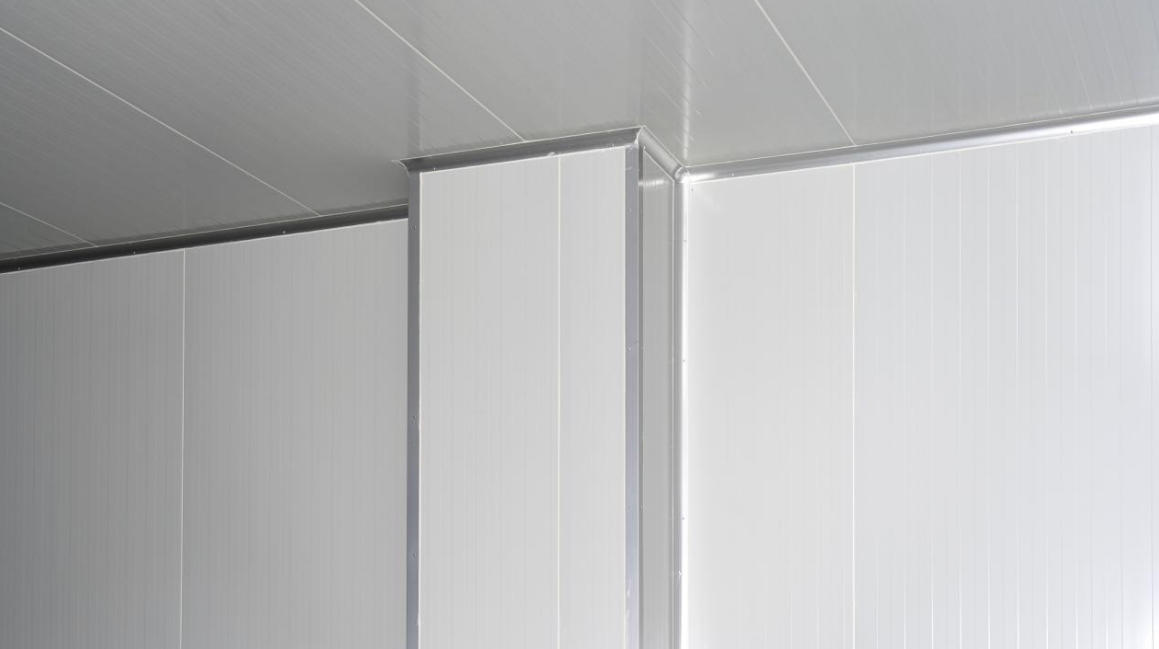
PUF panels, also known as sandwich panels, feature a core of polyurethane foam encased between protective steel or aluminum sheets. This structure provides high strength, durability, and—most importantly—excellent thermal insulation. Unlike traditional materials such as bricks or cement, PUF panels act as a barrier to heat transfer, helping maintain stable indoor temperatures regardless of external weather conditions.
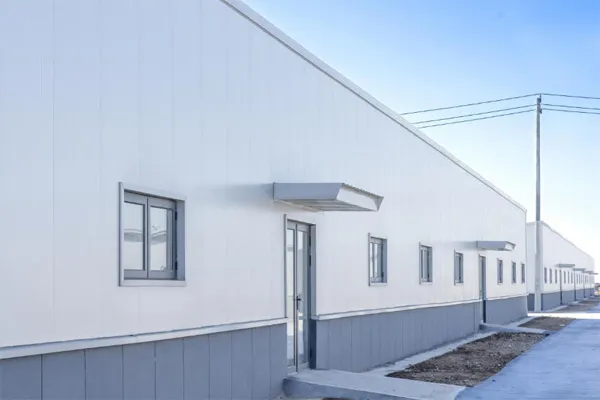
For homes, heating and cooling systems account for a large portion of monthly energy bills. PUF panels help homeowners save by:
Reducing summer heat gain: Keeps interiors cooler, reducing dependence on air conditioning.
Preventing winter heat loss: Maintains warmth indoors without excessive heating.
Providing long-term savings: Lower electricity bills throughout the year.
Additional benefits include lightweight construction, easy installation, and minimal maintenance, making PUF panels an ideal choice for modern, energy-efficient homes.
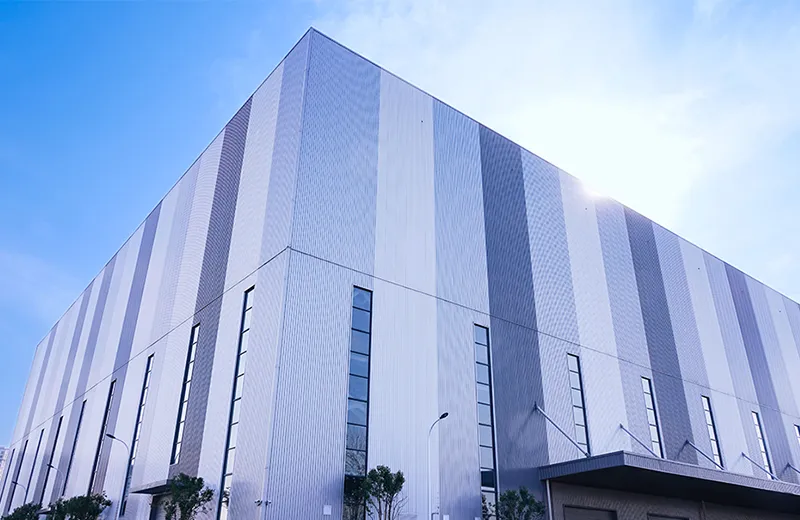
For offices, shopping centers, warehouses, and factories, energy costs can be even higher. PUF panels help:
Lower operational costs: Efficient insulation reduces demand on HVAC systems.
Maintain consistent temperatures: Protects sensitive products and equipment from temperature fluctuations.
Support green building goals: Reduces carbon footprint and contributes to sustainability certifications.
By combining durability, thermal efficiency, and cost-effectiveness, PUF panels are a smart investment for any building type—residential, commercial, or industrial.