English
  Español
  العربية
  русский
  ไทย
ไทย 
×
Search
As more homeowners look for durable and aesthetically pleasing roofing options, standing seam metal roofs have increasingly become a popular choice. Known for their durability, energy efficiency, and sleek appearance, these roofs are particularly favored for their ability to withstand extreme weather conditions and their low maintenance requirements. This article discusses the various aspects of standing seam metal roofs, including their installation, materials, and maintenance, to help you make an informed choice for your residential property.
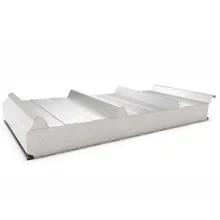
Standing seam roofs are defined by their raised seams that run vertically from the roof's ridge to the eave. These seams are crucial as they form a watertight barrier, preventing water from seeping under the panels. Unlike traditional roofing options, standing seam metal roofs provide enhanced durability and aesthetic appeal. They are commonly made from metal wall panels, such as aluminum and galvanized sheet metal coils, offering both structural strength and design flexibility.
Standing seam roofs have several distinct features:
| Feature | Description |
|---|---|
| Seam Height | Typically 1 to 2.5 inches high, offering enhanced water protection. |
| Clip System | Special clips enable thermal movement without stressing the metal panels. |
| Panel Width | Panels generally range from 12 to 24 inches wide, depending on aesthetic and structural needs. |
When choosing materials for your standing seam metal roof, it's essential to consider factors such as the roof's pitch, climate, and aesthetic preferences. Common materials include galvanized steel, aluminum, and zinc, each offering unique benefits. Galvanized steel with a protective coating can resist rust and endure harsh weather, making it a cost-effective yet durable choice. Aluminum is lightweight and corrosion-resistant, suitable for coastal areas.
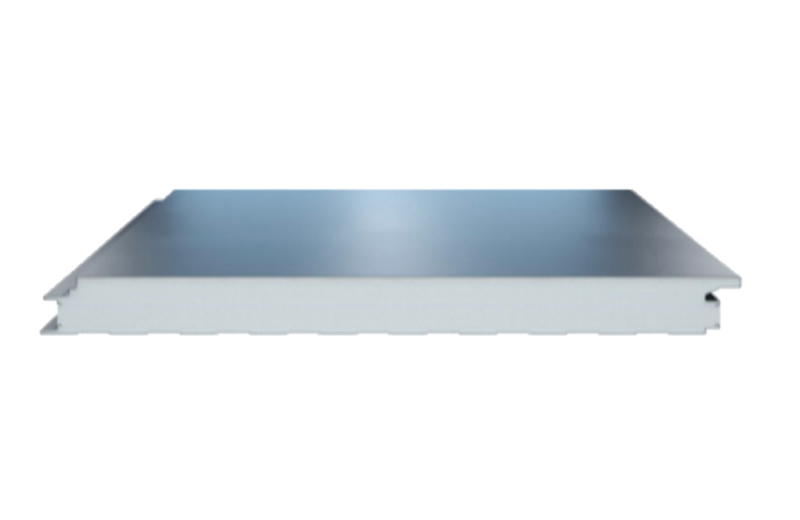
Insulated metal panels and corrugated steel sheets are often used in residential applications to boost energy efficiency and add style. These materials offer flexibility in terms of color and finish, allowing homeowners to match their roofs to their home's exterior metal cladding. Customize further with metal wall cladding options that complement the standing seam design.
The installation of a standing seam metal roof is as crucial as the choice of materials. A proper installation ensures longevity and performance efficiency. Expert wall panel installation is required, where precision is key to handling metal sheets and panels to avoid leaks and ensure a perfect fit. The typical steps in installation include the preparation of the roofing structure, laying roofing boards, attaching steel coils and panels, and implementing seamless finishes.
Professional contractors or seasoned DIY enthusiasts should follow strict guidance on handling metal panels, cutting, and securing using specific tools and fasteners. Given their mechanical interlock method, standing seam roofs require fewer seams and overlapping panels, reducing the potential for leaks and increasing wind resistance.
While standing seam metal roofs are favored for being low-maintenance, they require periodic checks to ensure optimal performance. Insulated metal panels and other components should be inspected for any signs of wear, damage, or potential rust formation. Regular maintenance could involve cleaning roof surfaces of debris that might hinder water runoff or cause water pooling.
A clear advantage of metal roofs is their minimal need for frequent repairs, unlike traditional materials. However, it's still crucial to ensure that metal building panels and related structures are secure and free of corrosion. Maintenance aids can include applying quality sealants and performing seasonal inspections to maintain their integrity and appearance.
One of the primary appeals of choosing a standing seam metal roof is its impressive lifespan, generally ranging from 40 to 70 years given proper installation and maintenance. The longevity depends on the materials used, the regional climate, and how well the roof is maintained. Many manufacturers offer warranties that provide security against defects and damages during a specific period, ensuring cost-effective durability.
Homeowners should seek out steel beam manufacturers or dealers offering comprehensive warranties that cover panel integrity, paint finishes, and installation services. It's vital to understand the terms covered under the warranty to manage expectations and make claims if necessary effectively.
Overall, standing seam metal roofs present a smart investment for those looking to maximize long-term roofing value, with their structural integrity and aesthetic flexibility.
The insights provided in this guide should aid you in understanding the intricacies and advantages of standing seam metal roofs for residential applications. With competitive steel beam prices and reliable steel beam suppliers, you can achieve both aesthetic and functional benefits. Consider consulting with experts for professional advice or inspection services, ensuring optimum returns on your next roof installation project.
The decision to opt for a standing seam roofing system for your home involves considering various factors — from material types and installation process to maintenance and warranty options. With their unmatched durability, energy efficiency, and design flexibility, these roofs deliver long-term value and protection against various environmental stresses. Having explored the benefits and considerations of standing seam metal roofs, you are now better equipped to make informed decisions that ensure your home remains protected and aesthetically pleasing for decades. For further insights and expert guidance, don't hesitate to reach out to trusted steel coil suppliers or roofing specialists.