English
  Español
  العربية
  русский
  ไทย
ไทย 
×
Constructing an effective clean room is a precise engineering task that requires strict control over airborne particles, temperature, humidity, pressure differentials, and overall environmental stability. Industries such as pharmaceuticals, biotechnology, electronics manufacturing, semiconductor production, medical devices, and food processing all depend on these controlled spaces to safeguard sensitive products and maintain high production standards.
Core requirements for building a successful clean room typically include:
Effective Particle and Contamination Control: Advanced air filtration combined with carefully managed pressure cascades to prevent unwanted particles or microbes from entering critical zones.
Superior Airtight Construction: The entire building envelope—walls, ceilings, and floors—must form a highly sealed barrier with minimal air leakage to sustain required pressure differences and block external contaminants.
Smooth, Non-Shedding Surfaces: Interior surfaces need to be durable, impervious to moisture, resistant to frequent cleaning with disinfectants, and designed to generate as few particles as possible over time.
Excellent Thermal and Humidity Stability: High-performance insulation is essential to reduce energy use in HVAC systems that run continuously to maintain precise temperature and moisture levels.
Fire Resistance and Structural Integrity: Materials must offer reliable fire performance while withstanding mechanical stresses and repeated cleaning cycles without degrading.
Modular Flexibility: The system should allow quick installation, easy reconfiguration, and minimal disruption during setup or future modifications.
Long-Term Reliability and Maintainability: Surfaces and joints must remain cleanable and stable for years, supporting consistent operation with lower maintenance demands.
Traditional building approaches using concrete, masonry, or standard wall systems often introduce challenges such as dust generation during construction, thermal bridging that increases energy costs, potential cracking that can trap contaminants, and extended installation timelines. These limitations make specialized Clean Room Panels the modern, preferred choice for creating high-performance controlled environments efficiently and reliably.
Headstream Panel, a prominent manufacturer with six state-of-the-art production bases in Shandong, Anhui, Hubei, Chongqing, Guangxi, and Guangdong provinces in China, has developed a dedicated line of Clean Room Panels tailored for these demanding applications. With eight overseas branches in Malaysia, Thailand, Vietnam, the Philippines, Indonesia, Egypt, Algeria, and the United Arab Emirates, the company serves customers across more than 100 countries. Headstream combines advanced manufacturing technology with rigorous quality control and international certifications including FM, CIDB, and ISO to deliver consistent, high-quality solutions.
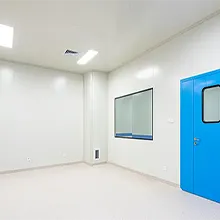
Headstream Clean Room Panels are sandwich-type wall and ceiling systems specifically designed to meet the rigorous demands of contamination-sensitive spaces. They feature high-performance core materials paired with smooth, cleanable surface finishes to create seamless, airtight barriers.
Available core options include polyurethane (PU) for outstanding thermal insulation and lightweight strength, as well as rock wool for superior fire resistance. These cores provide excellent thermal efficiency, helping HVAC systems maintain stable conditions while significantly lowering energy consumption—an important consideration for facilities where climate control systems operate around the clock.
The panels achieve superior airtightness through precision-engineered connection systems that minimize gaps and leakage points. This supports reliable pressure differentials and reduces the risk of external contaminants entering the controlled area. Surface treatments are selected for durability and resistance to common cleaning agents, ensuring surfaces remain smooth and non-shedding even after years of intensive use.
Notable advantages of Headstream Clean Room Panels include:
Exceptional Airtight Performance: Tight joints reduce air leakage, enhancing contamination control and improving overall energy efficiency.
Strong Thermal Insulation: Low heat transfer rates decrease the workload on air handling units and support stable environmental conditions.
Easy Cleaning and Long-Term Durability: Smooth, robust surfaces withstand frequent sanitation without cracking, delaminating, or generating particles.
Customization Options: Panels can be tailored in terms of core type, thickness, dimensions, and finishes to match specific cleanliness classes, temperature needs, and project requirements.
Rapid Modular Installation: The system allows faster assembly compared to traditional methods, shortening project timelines and reducing on-site contamination risks during construction.
These features make the panels highly suitable for electronics assembly areas, semiconductor fabrication zones, biotechnology research facilities, medical device production spaces, and food processing environments where strict environmental control is essential.
When designing a clean room, the building envelope plays a foundational role in achieving and maintaining the desired performance. Headstream panels integrate smoothly into modular layouts, enabling flush joints, integrated utility penetrations, and coved transitions with minimal field modifications. Their quick installation process helps project teams complete facilities faster while limiting dust and disruption during the build phase.
In electronics and semiconductor manufacturing, the panels’ low particle generation and stable thermal properties help protect delicate components and processes. In biotechnology and medical device production, their reliable airtightness and cleanable surfaces support consistent environmental conditions. Food processing facilities benefit from the moisture resistance and durability that help maintain hygiene standards throughout production zones.
Headstream’s extensive global experience demonstrates how these panels perform reliably across different climates and operational scales, from compact laboratory suites to large-scale manufacturing halls.
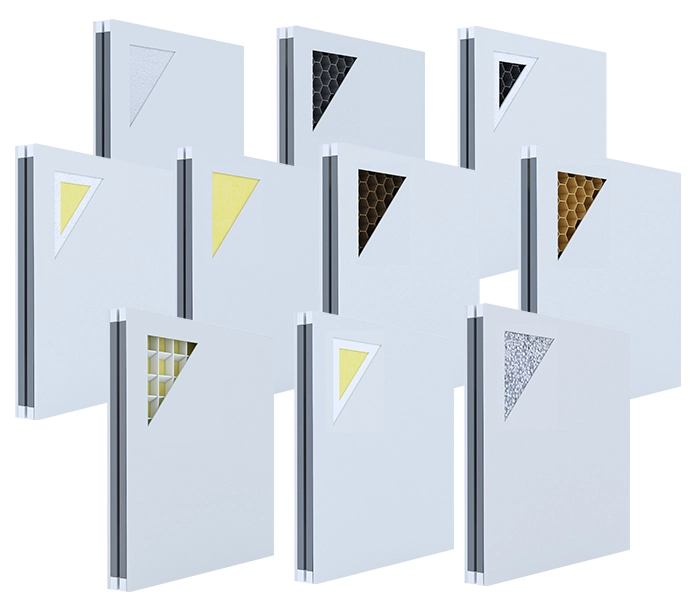
While Clean Room Panels serve as the primary envelope for controlled areas, Headstream offers complementary products that enhance complete project outcomes:
Insulated Panels deliver versatile thermal performance and structural strength for adjacent non-critical zones such as corridors, technical rooms, loading areas, or outer building shells. With options including polyurethane, rock wool, or glass wool cores, these general insulated panels help maintain design consistency while optimizing costs in less sensitive parts of the facility.
For areas requiring strong low-temperature control—such as chilled storage or processing sections—Cold Store Panels provide specialized high-density insulation and cam-lock connection systems. They integrate effectively where clean environments transition into temperature-regulated storage, balancing cleanliness needs with thermal efficiency.
In supporting structures, staff facilities, or budget-conscious expansion areas, EPS Sandwich Panels offer a lightweight, economical solution with good thermal insulation and fast installation. Their clean appearance and reliable performance make them practical for warehouses, utility spaces, or secondary buildings surrounding the main clean production areas.
Sourcing from a single manufacturer ensures material compatibility, simplifies procurement, and streamlines coordination across the entire project.
Modern clean room projects increasingly focus on energy efficiency and environmental responsibility. Headstream Clean Room Panels contribute through superior thermal insulation that reduces the energy demand of continuous HVAC operation—one of the highest cost factors in these facilities. Their modular design also minimizes construction waste and supports future modifications or relocations with less material impact.
Durable construction extends the service life of the clean room, reducing the need for frequent refurbishments and associated downtime. Lower maintenance requirements and consistent performance translate into higher operational uptime and more predictable costs over the facility’s lifespan.
Selecting the right panel system influences both initial construction success and decades of reliable operation. Headstream distinguishes itself through large-scale manufacturing capacity, strict quality assurance across multiple production bases, and dedicated technical support from design to after-sales service.
Key project benefits include:
Faster installation through modular assembly
Reduced energy consumption thanks to excellent insulation and airtightness
Simplified achievement of required environmental control standards
Flexible configurations that adapt to changing production needs
Reliable global supply chain with localized support
Whether you are planning a new high-tech manufacturing facility, upgrading an existing controlled environment, or expanding production capacity, Headstream Clean Room Panels offer a proven, high-performance foundation.
To review detailed specifications, discuss customization options, or explore how these panels can support your specific clean room project, please visit Headstream official website.