English
  Español
  العربية
  русский
  ไทย
ไทย 
×
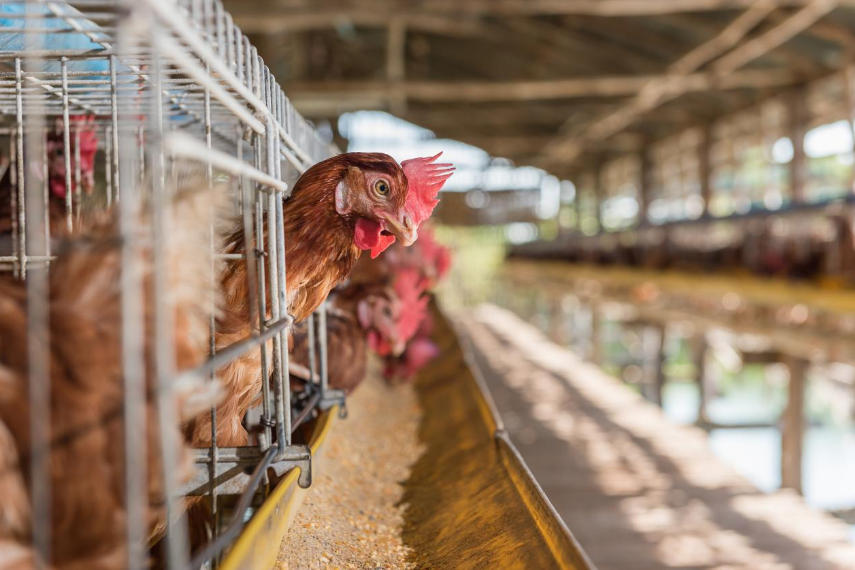
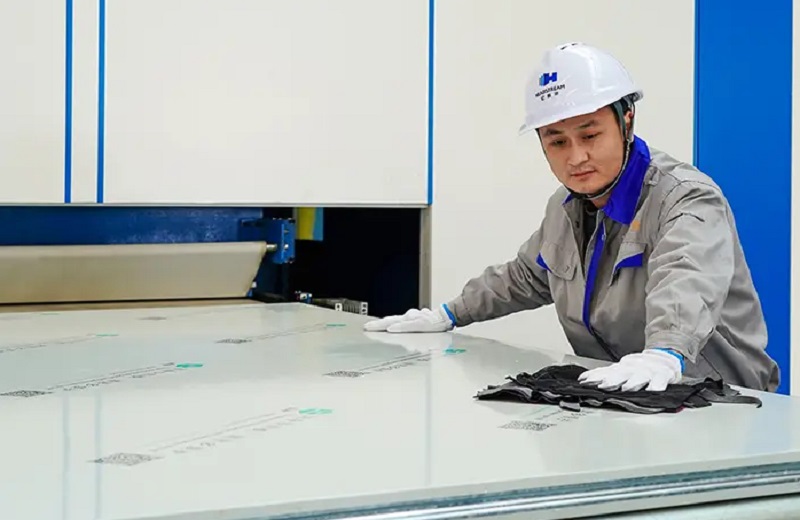
Animal welfare and environmental control are increasingly important in modern livestock farming. A farm’s wall system directly affects temperature stability, humidity control, hygiene levels, and overall production efficiency. Livestock wall panels, constructed with high-strength steel surfaces and high-performance insulation cores, provide a reliable solution for meeting these challenges.
Designed for corrosive agricultural environments, livestock wall panels use specialized coatings that resist moisture, ammonia, cleaning chemicals, and disinfectants. This ensures long-term service life even under continuous high-humidity conditions.
The panels’ insulation cores—PU, PIR, or rock wool—offer superior thermal performance, reducing both cooling and heating energy consumption. During winter, insulated metal panels help animals maintain body temperature, reducing disease risk. During summer, effective heat insulation reduces heat stress, improving feed efficiency and growth rates.
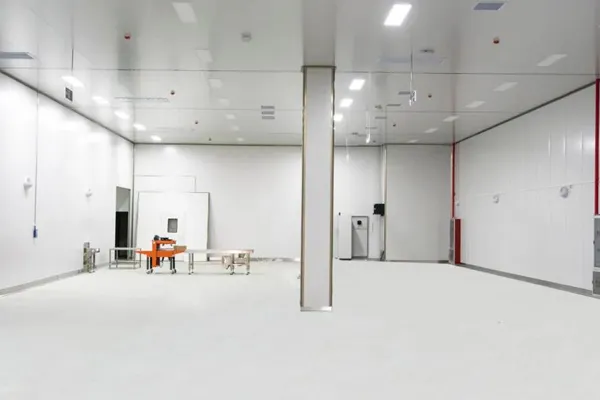
Unlike brick or concrete walls, insulated wall panels eliminate thermal bridges and condensation problems. Their smooth surfaces prevent bacterial buildup and are easy to disinfect, enabling farms to maintain strict hygiene standards.
Livestock wall panels are lightweight and modular, allowing fast installation with minimal foundation requirements. This makes them ideal for new farm construction as well as renovation projects. The ability to expand or modify barn layouts efficiently is critical for growing farms.
HEADSTREAM provides a full range of wall panel systems for poultry farms, pig farms, cattle operations, and environmentally controlled breeding facilities. Thickness, coating grade, color, and surface materials can all be customized to meet specific farm requirements.
By upgrading to high-performance livestock wall panels, farms can improve biosecurity, reduce operational costs, and create a healthier, more productive environment for animals.