Sandwich panels are widely used for industrial buildings, warehouses, cold storage facilities and commercial projects because they combine insulation, structural performance and fast installation. However, even a high-quality panel can fail to deliver its expected performance if installation details are not properly controlled.
For contractors and project engineers, the following seven installation issues deserve particular attention.
Incorrect Panel Joint Installation
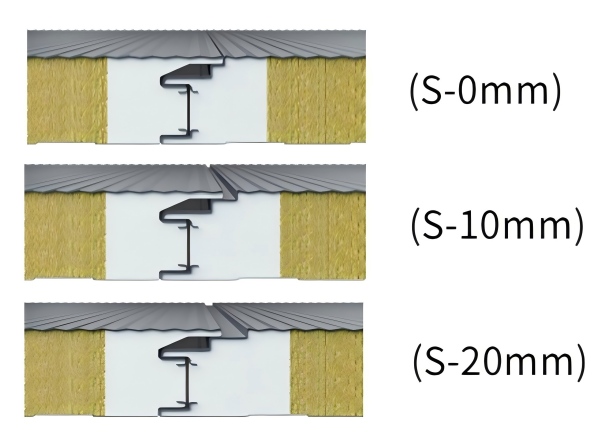
The joint between panels directly affects thermal insulation, air tightness and water resistance. Improper alignment, insufficient insertion or damaged joint edges can create gaps and thermal bridges.
For projects requiring stable thermal performance, HEADSTREAM PIR & PU Sandwich Panels provide insulated panel systems designed for controlled panel connections and efficient installation.
Poor Roof Panel Alignment
Roof sandwich panels must be properly aligned with the building structure. Uneven installation can affect drainage and increase the risk of water accumulation around joints and fasteners.
Correct panel layout, roof slope and fastening positions should be confirmed before installation.
Incorrect Fastener Selection
Fasteners should match the panel thickness, structural substrate and environmental conditions. Excessive tightening can damage the metal skin, while insufficient fastening may affect wind resistance.
For industrial buildings and warehouse projects, the fastening system should be considered together with the complete sandwich panel roof or wall system.
Damaged Panel Edges
Cutting, transportation and installation can damage panel edges. Exposed insulation material may reduce moisture resistance and affect long-term performance.
All field-cut edges should be properly treated and protected according to project requirements.
Insufficient Waterproofing at Roof Joints
Roof panel joints are particularly important in areas with heavy rainfall. Incorrect overlap, sealant application or flashing installation can create leakage points.
This is especially relevant to Southeast Asian projects, where high rainfall and humidity place additional demands on building envelopes.
Ignoring Thermal Bridges
Gaps around fasteners, openings and panel joints can create localized thermal bridges. In temperature-controlled buildings, these areas may increase energy consumption and condensation risks.
For cold storage applications, HEADSTREAM ColdCrystal® Cold Storage Panels are developed for temperature-controlled environments where thermal insulation and panel joint performance are critical.
Treating Installation as an Afterthought
Panel selection and installation should be considered together. Panel thickness, core material, joint configuration, fasteners, flashing and building structure all influence the final performance of the enclosure.
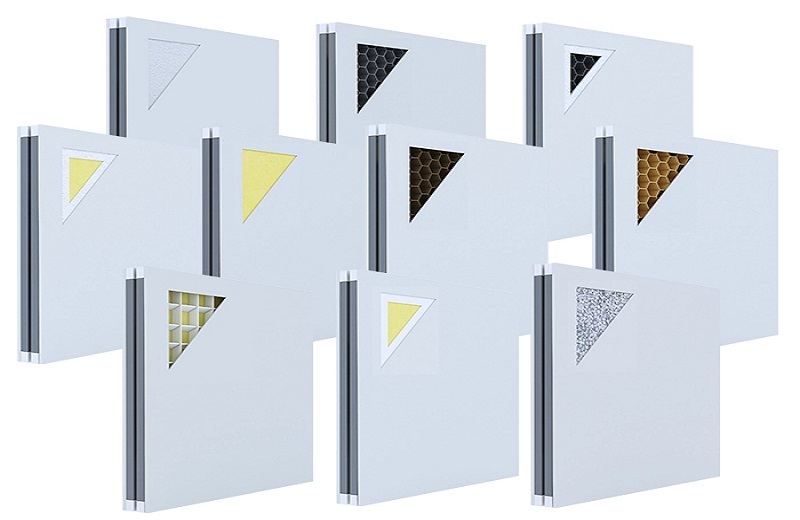
HEADSTREAM provides multiple insulated building envelope solutions, including PIR & PU Sandwich Panels, Rock Wool Sandwich Panels, talColdCrys® Cold Storage Panels and CleanBox® Clean Room Panels.
Build the System, Not Just the Panel
Sandwich panel performance depends on more than the insulation core itself. Correct product selection, joint detailing and installation quality all contribute to the final building performance.
For industrial buildings, warehouses, cold rooms and clean environments, HEADSTREAM provides insulated panel solutions designed around different thermal, fire, hygiene and architectural requirements.
 English
 Español
 العربية
 русский
 ไทย